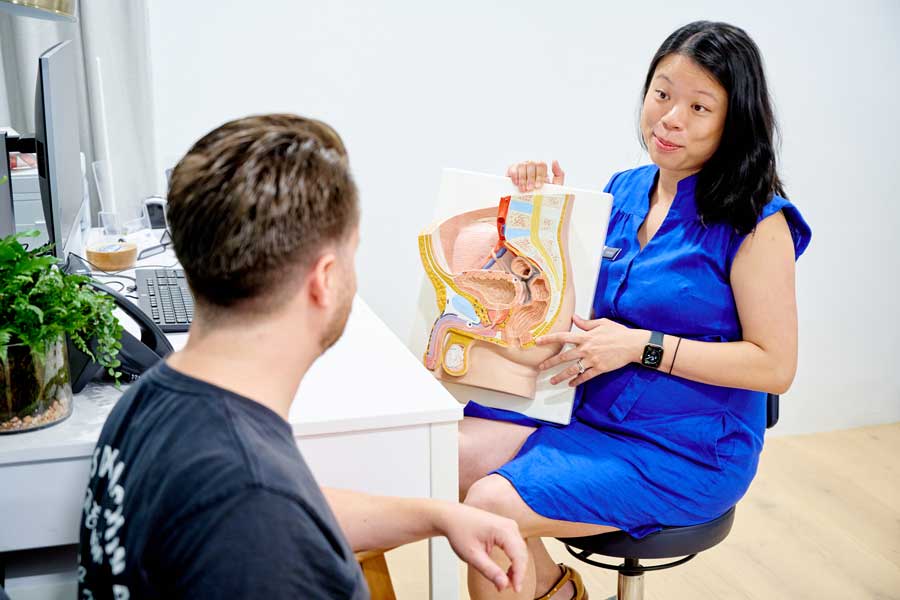
Learn how pelvic physiotherapy before and after prostatectomy can support continence, pelvic floor function, exercise, confidence and long-term recovery.
This article was written by a Sydney Pelvic Clinic physiotherapist. Date of publication: 26/8/26
A prostate cancer diagnosis and the decision to undergo a prostatectomy can feel overwhelming. It is natural to focus on the immediate concerns of surgery and the potential side effects, particularly urinary incontinence. While regaining bladder control is an important part of recovery, it is equally important to keep the big picture in mind. Recovery is a journey that extends beyond the operating theatre, with each stage offering an opportunity to rebuild strength, confidence and independence.
With the right preparation, expert guidance and ongoing support, most men make significant improvements in continence and return to the activities that matter most to them. Rather than viewing recovery as simply overcoming urinary leakage, it helps to see it as a comprehensive rehabilitation process—one that addresses physical function, emotional wellbeing and quality of life. This article explores how physiotherapy can support you before and after prostatectomy, helping you stay focused on your long-term recovery and achieve the best possible outcome.
Our physiotherapy program
To support the best possible outcomes, we have developed Prepare, Recover & Rebuild – a structured pelvic physiotherapy pathway designed to work collaboratively alongside urological care, and support patients before and after surgery. This program encompasses assessment, advice and exercises to support post-prostatectomy urinary incontinence, erectile dysfunction, bowel dysfunction, and improving confidence, quality of life and exercise capacity.
Our program is delivered across three key stages:
- PREPARE – Preoperative optimisation
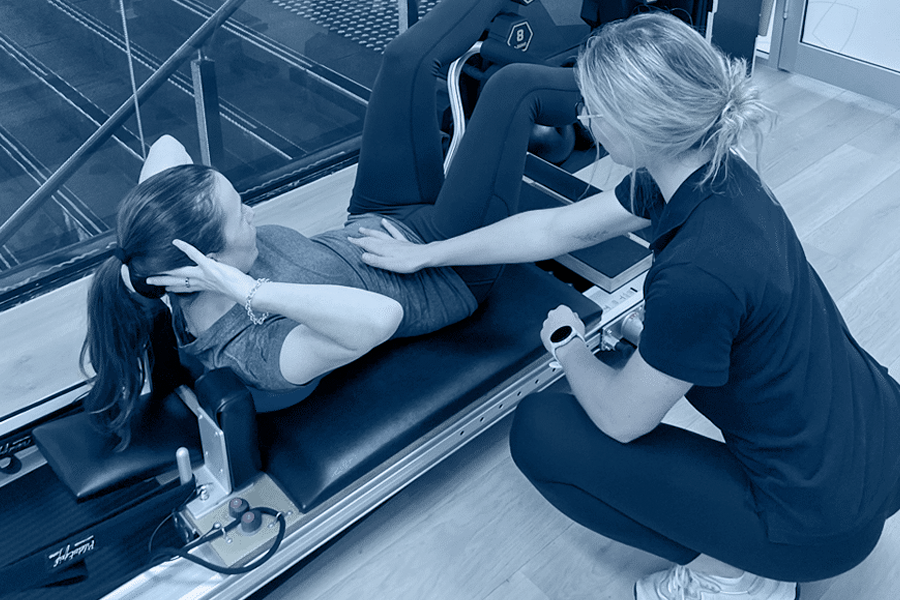
Two preoperative consultations focusing on pelvic floor muscle assessment and training, real-time transperineal ultrasound biofeedback, bladder and bowel optimisation, breathing and pressure management, and preparation for recovery. - RECOVER – Early postoperative rehabilitation
Early rehabilitation aimed at supporting continence recovery, bowel function, graded activity and confidence during the initial healing phase. - REBUILD – Long-term recovery and function
Progressive rehabilitation supporting pelvic floor strength, return to exercise and daily activities, and penile rehabilitation alongside the treating urologist and medical team.
You can learn more about the program here
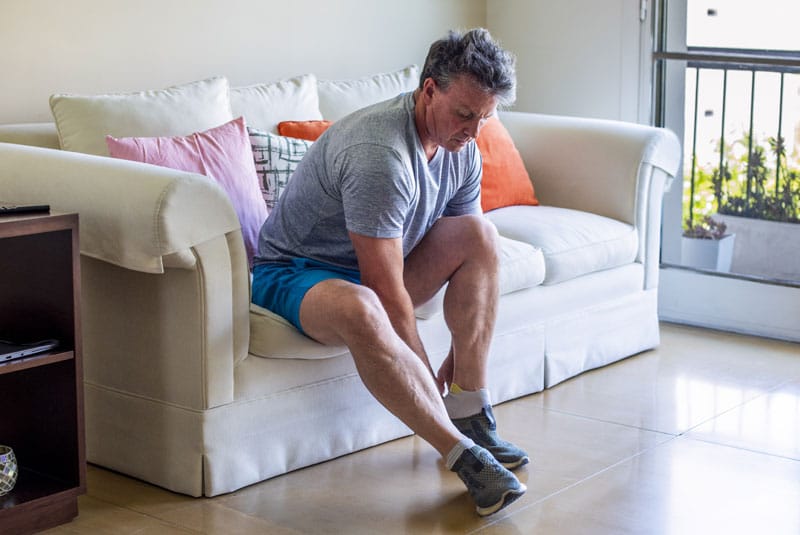
How to strengthen the pelvic floor muscles before prostatectomy
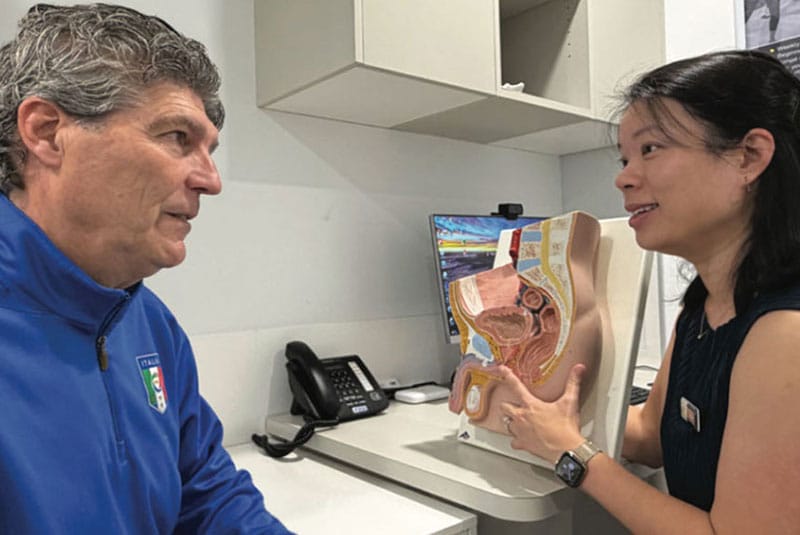
There is growing evidence for physiotherapist-guided pelvic floor muscle training and rehabilitation following radical prostatectomy, particularly when commenced pre-operatively and continued through recovery. Preoperative pelvic floor physiotherapy has been shown to improve early continence following surgery. The aim is to get familiar with how to use the pelvic floor muscles – an area men may have never been acquainted with, which are very important in bladder control and erectile function.
Learn more about what to expect and what is involved during a pelvic physiotherapy consultation
Long term recovery and function following prostatectomy
While much of the focus after prostatectomy is placed on physical recovery, the emotional impact of surgery should not be underestimated. Adjusting to urinary leakage, changes in sexual function and temporary limitations in daily activities can affect confidence, independence and overall wellbeing. Many men experience frustration, embarrassment, anxiety or a loss of self-confidence during the recovery process, particularly in the early weeks after surgery. Having the right support—whether from family, friends, healthcare professionals or support groups—can make a significant difference.
Physiotherapy provides more than exercise prescription; it offers education, reassurance, realistic goal setting and guidance throughout recovery. Understanding what to expect, celebrating small milestones and having a clear rehabilitation plan can help men regain confidence, stay motivated and feel more in control of their recovery. Recognising and addressing mental health is an important part of holistic prostate cancer care, and seeking support is a sign of strength that can positively influence both emotional wellbeing and physical rehabilitation.
Resources and support
Our team understands that recovery is often multifaceted and that some men may benefit from additional support beyond physiotherapy alone. Through our established network of trusted healthcare professionals, we can facilitate referrals to various health professionals when required, this may include; psychologists, sexual health clinicians and dietitians. This collaborative approach ensures that men have access to comprehensive, individualised care to support their physical recovery, emotional wellbeing and long-term health following prostate cancer treatment.
The Prostate Cancer Foundation of Australia is another great resource hub and below are links to
resources to further support recovery:
- Physiotherapy before and after prostate cancer surgery https://www.pcfa.org.au/media/743467/physiotherapy-before-and-after-prostate-cancer-surgery.pdf
- Facing the Tiger: A Survivorship Guide for Men with Prostate Cancer and their Partner
https://www.pcfa.org.au/publications/endorsed-publications/facing-the-tiger-a-survivorship-guide-for-men-with-prostate-cancer-and-their-partners-2nd-ed/ - Prostate Cancer & Exercise https://www.pcfa.org.au/media/790463/eim-factsheet_prostate-cancer_public2020.pdf
This article was written by a Sydney Pelvic Clinic physiotherapist. Date of publication: 26/8/26