Anxiety and stress could be causing your pelvic pain, bladder overactivity, difficulty going to the toilet or IBS. Understand how your mental health could be linked to your pelvic health and how Physiotherapy can help!
Research tells us those who suffer with persistent pelvic pain, bladder overactivity (urgency, frequency) and/or bowel dysfunction (faecal urgency, constipation, IBS, bloating) have reduced quality of life with impacts on physical function and limitations in social activities. [1]
Individuals with persistent pelvic pain are twice as likely to have depression and anxiety[2] , and we know stress hormones released with anxiety can exacerbate these conditions.
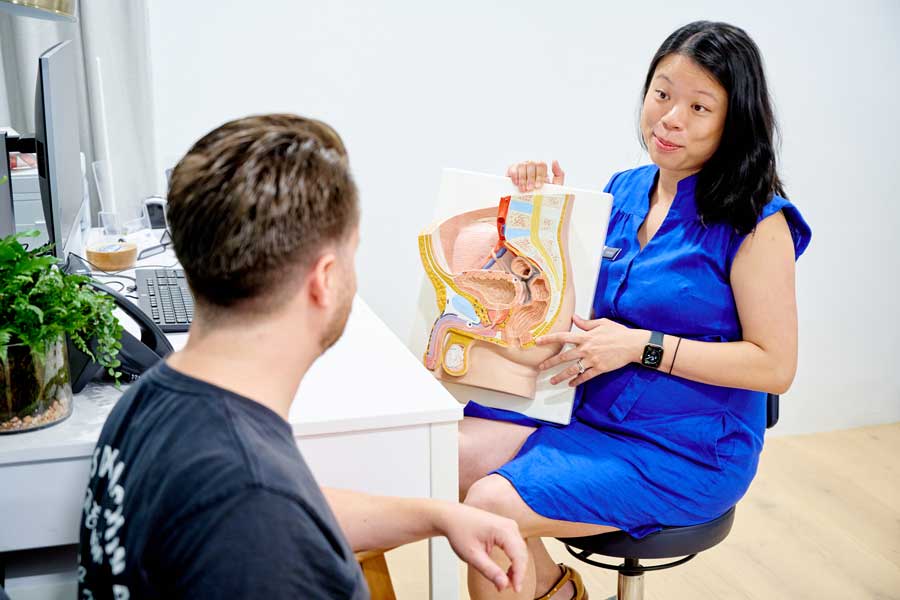
The question is which came first – is it your pelvic pain or bladder /bowel issue that is impacting your mental health or is your mental health actually the driver of your pelvic dysfunction? Pelvic Physiotherapists are equipped to assess your pelvic health and put you in the driver’s seat to take control of your pelvic dysfunction.
The science – it’s all connected
We have two nervous systems – the parasympathetic (rest and digest) and sympathetic (fight or flight). We know that anxiety, stress or low mood activates the sympathetic nervous system (fight or flight system). When in fight or flight we have physiological changes in our body such as increased heart rate, increased muscle activity, contraction of the urethral sphincter (stops you from passing urine) and delayed digestion. These physical responses are very important and are designed to keep you safe and alive – if you were being chased by a tiger, you want to be able to run as fast as possible and it wouldn’t be ideal to have the urge to stop for a poo or wee!
Ideally, we are only in our fight or flight system for a short period of time – to help us get through a stressful or dangerous situation. However, when in this nervous system for long periods the bodily responses are maintained. This can result in muscles becoming tight (increased tone) and painful (myalgia), and the muscles affected often include the pelvic floor muscles. Think about how your neck and shoulder muscles might feel after sitting in a job interview… a bit tight and tense?!

The Pelvic Floor
The pelvic floor muscles are made up of two main components – skeletal muscles (muscles you can choose to contract and relax yourself), and smooth muscles (muscles like your heart, they just beat without needing any instructions).
The complex interplay between smooth and skeletal muscles is what allows your bladder to fill and store urine, and then when it is time, to empty urine; likewise for your bowel.
How mental health can contribute to pelvic dysfunction
When we are stressed or anxious, activation of the sympathetic nervous system results in the smooth muscles and skeletal muscles being switched on. This is why you may find it difficult to empty the bladder (urinary hesitancy or obstructed voiding), and when this is prolonged, urinary tract infections may occur. Likewise, you may find it difficult to empty the bowel, resulting in constipation and straining.
For some, the constant activation of the smooth muscles in the bowel can result in the opposite, and they experience urgency and loose stools (IBS, faecal urgency). Research from Monash University has shown that individuals with IBS are 3 times more likely to have either anxiety or depression, and the more severe the psychological distress, the more severe the IBS symptoms.[3]
Long term, continued over-activation of the pelvic floor muscles can result in a condition called ‘pelvic floor tension myalgia’, a known contributor and cause of persistent pelvic pain. The sustained muscle contraction results in a buildup of acid and the muscles begin to feel stiff and painful. It can then become a vicious cycle, as in response to pain, the muscles often contract or ‘guard’. Imagine being stabbed in the arm- your automatic response is to pull your arm away, hold it and protect it; your muscles contracting is what creates this response.
In addition to the impact on your muscles, chronic stress results in sustained activation of the immune system. This can result in release of inflammatory chemicals that can irritate the walls of the bladder and/or bowel, resulting in bladder overactivity (urgency, frequency and urge incontinence) and/or IBS.[4]
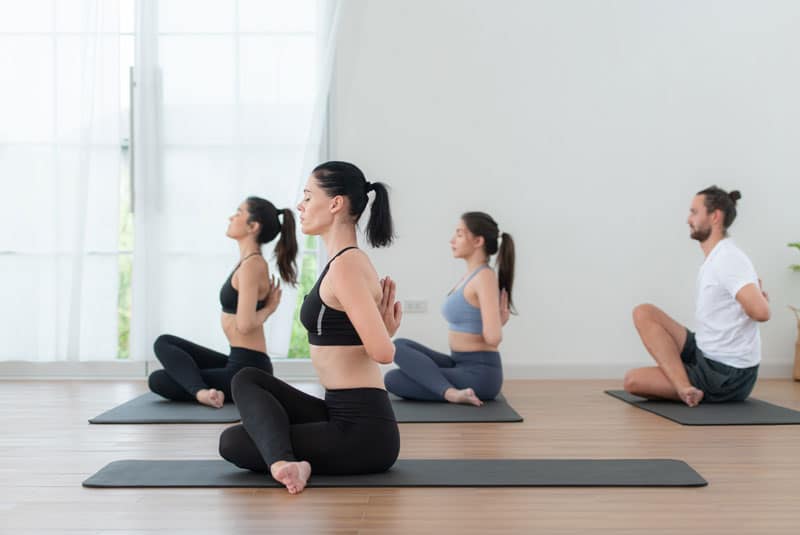
Common pelvic symptoms related to stress/ anxiety/ depression
- Pain in the lower pelvis and/or low back
- Coccyx pain
- Sexual dysfunction (pain; difficulty with penetration; difficulty with arousal/erection; premature ejaculation)
- Difficulty emptying the bladder
- Difficulty emptying the bowel
- Urinary urgency and/ or urge incontinence
- Urinary frequency
- Faecal urgency and/ or faecal incontinence
- Bloating
How can physiotherapy help?
Our team of Pelvic Health Physiotherapists are experts at assessing and identifying the driver of your symptoms. Once the key drivers are identified, treatment can be targeted and tailored to you. This often includes a top down (addressing the nervous system, stress, mood) and bottom up (addressing the pelvic floor muscles, fascia and organs) approach.

Treatments may include:
- Pelvic floor relaxation
- Internal pelvic muscle release (Thiele, Dilators, Therawand)
- External muscle release (Foam roller, Franklin balls, Lacrosse balls)
- Massage therapy
- Deep breathing exercises
- Bladder retraining
- Tibial nerve TENS for bladder overactivity
- TENS for pelvic pain
- Retraining defecation dynamics
- Interferential for slow transit time (a cause of constipation)
- Mindfulness
- Sleep hygiene
- Self-care and self-compassion – doing the things you love!
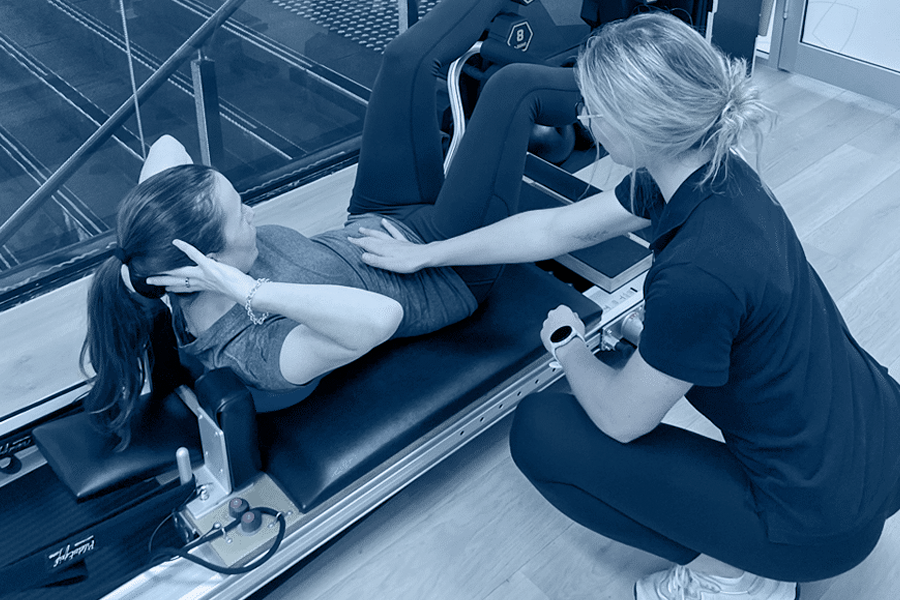
- Whole body exercise – make muscles strong and long and release happy hormones!
- Yoga
- Pelvic floor Release Workshop
References
[1] Grace V, Zondervan K. Chronic pelvic pain in women in New Zealand: comparative well-being, comorbidity, and impact on work and other activities. Health Care Women Int 2006;27:585–99.
[2] Siqueira-Campos, V. M. E., Da Luz, R. A., de Deus, J. M., Martinez, E. Z., & Conde, D. M. (2019). Anxiety and depression in women with and without chronic pelvic pain: prevalence and associated factors. Journal of Pain Research, 12, 1223–1233. https://doi.org/10.2147/JPR.S195317
[3] Zamani M, Alizadeh-Tabari S, Zamani V. Systematic review with meta-analysis: the prevalence of anxiety and depression in patients with irritable bowel syndrome. Aliment Pharmacol Ther. 2019;50(2):132-43.
[4] Chess‐Williams, Russ et al, ‘Chronic Psychological Stress and Lower Urinary Tract Symptoms’ (2021) 13(4) Lower urinary tract symptoms 414