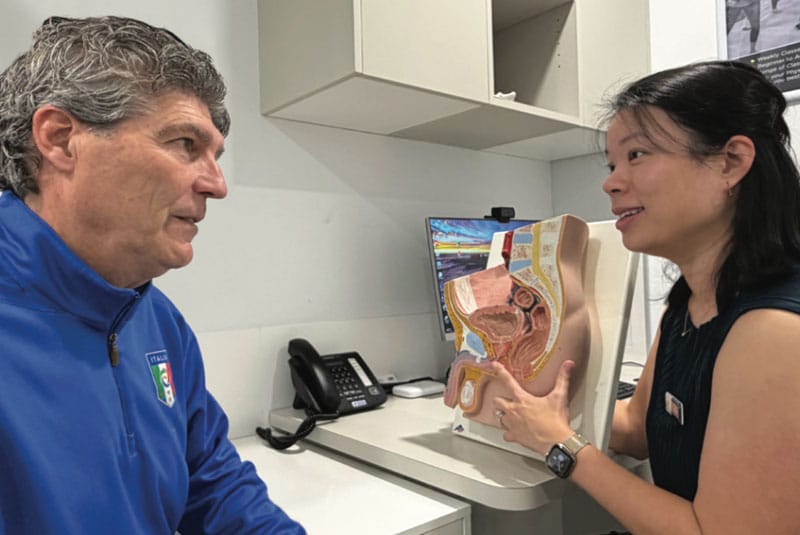
Pelvic pain is rarely the result of a single cause. It is often complex, influenced by a combination of physical, psychological and social factors — including how the body moves, how the nervous system processes pain, and a person’s past experiences and environment.
For some people, local physical factors such as joint hypermobility or connective tissue differences — including conditions like Ehlers-Danlos Syndrome (EDS) — may be one contributing piece of this broader picture.
At Sydney Pelvic Clinic, we take a whole-person, biopsychosocial approach to understanding pelvic pain. This means looking beyond any single diagnosis to identify the key drivers of symptoms, allowing for more targeted and effective care.
One condition that can play a role for some individuals is Ehlers-Danlos Syndrome.
What is Ehlers-Danlos Syndrome?
Ehlers-Danlos Syndrome (EDS) is a group of genetic conditions that affect the body’s connective tissue — the structures that provide support to joints, muscles and organs throughout the body.
The most common type is hypermobile EDS (hEDS). People with hEDS may experience:
- Joint hypermobility (being very flexible or “double-jointed”)
- Frequent injuries, sprains or joint dislocations
- Persistent pain or fatigue
Because connective tissue is present throughout the body, EDS can influence multiple systems — including those involved in pelvic health.
 How Does EDS Cause Pelvic Pain?
 How Does EDS Cause Pelvic Pain?
Pelvic pain linked to EDS is usually multifactorial, meaning there are several contributing factors rather than one single cause.
Pelvic pain in people with EDS is typically multifactorial. Rather than one single cause, symptoms often arise from a combination of local tissue factors, movement patterns, nervous system responses, and the way the body adapts over time.
EDS may contribute to pelvic pain in several ways:
1. Pelvic joint stability and movement control
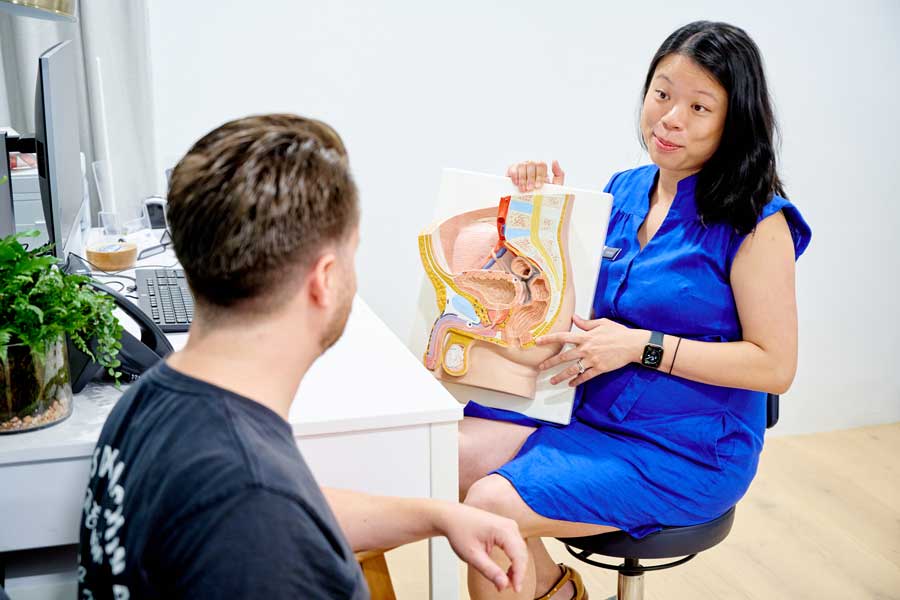
The pelvis relies on ligaments and muscles working together to provide stability. In EDS, increased ligament laxity can lead to greater joint movement. Over time, this may contribute to irritation, altered load distribution, or a feeling of instability through the sacroiliac joints, hips and lower back.
2. Pelvic floor muscle response
In response to reduced passive stability, the pelvic floor and surrounding muscles often work harder to provide support. This can lead to increased muscle tension, reduced ability to fully relax, and symptoms such as pelvic pain, discomfort with prolonged sitting, or pain with intimacy. Read more on tight pelvic floor muscles here.
3. Connective tissue support for pelvic organs
Changes in connective tissue integrity may affect how well the pelvic organs are supported, increasing the likelihood of symptoms such as heaviness, pressure or pelvic organ prolapse. Learn more about prolapse here.
4. Bladder function
Bladder symptoms such as urgency or frequency can occur without infection. These symptoms may relate to changes in tissue support, pelvic floor muscle tension, or altered nervous system signalling.
5. Bowel function
Pelvic floor coordination plays an important role in bowel emptying. Difficulty relaxing these muscles can contribute to symptoms such as incomplete emptying or constipation, which may in turn increase discomfort and pelvic pain.
6. Nervous system involvement
Many people with EDS experience changes in autonomic nervous system function. This can influence digestion, bladder behaviour, pain sensitivity and fatigue — all of which can contribute to the overall experience of pelvic pain.
Our Physiotherapy Approach
The good news is that pelvic pain in people with EDS can be effectively managed with the right, individualised approach.
At Sydney Pelvic Clinic, treatment is guided by a biopsychosocial framework — addressing not only the physical contributors, but also nervous system regulation, movement confidence and overall wellbeing.
This may include:
Pelvic floor physiotherapy Focusing on coordination, relaxation and functional control — not just strengthening
Targeted strength and movement retraining Building stability and confidence without overloading sensitive tissues
Pain management and pacing strategies Supporting consistency and reducing symptom flare-ups
Breathing, relaxation and nervous system regulation Helping to reduce muscle tension and improve overall system balance
Care is always tailored to the individual, with a gentle, progressive approach that supports long-term outcomes.
Specialised Assessment
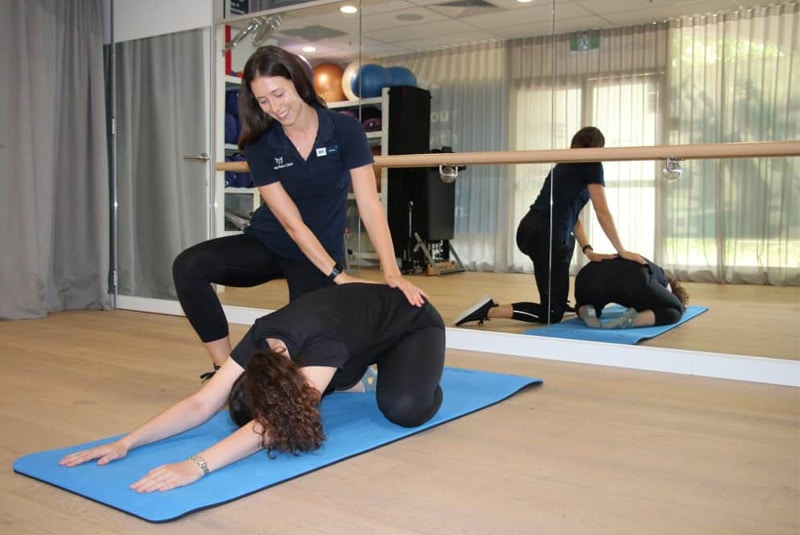
If you have Ehlers-Danlos Syndrome, hypermobility, or ongoing pelvic pain that hasn’t improved with general treatment, a specialised assessment can help identify the key drivers of your symptoms.
Pelvic pain is common — but it doesn’t need to be something you simply live with.
With the right support, it’s possible to improve symptoms, build confidence in your body, and return to the activities that matter to you.
Find out more about general EDS symptoms here: What is EDS? — The Ehlers Danlos Society
Book online or contact us to make an appointment with one of our specialist physiotherapists.