Signs You May Have Abdominal Muscle Separation

Your body goes through a ton of physical changes during pregnancy, which can lead to all kinds of unexpected postpartum conditions. One of these is abdominal muscle separation, also called rectus abdominis diastasis (RAD).

Abdominal muscle separation causes weakened and separated stomach muscles, and it can affect women during and after pregnancy. However, some women don’t realise they have it and are dealing with the issue in silence. It can go undiagnosed for a long time.

You don’t have to go through it alone! If you think you may have RAD, we’re here to help. In this article, we’ll walk you through what abdominal muscle separation is, its signs and symptoms, how it’s assessed, and the steps you can take to treat it. Let’s get started.

What Is Abdominal Muscle Separation?

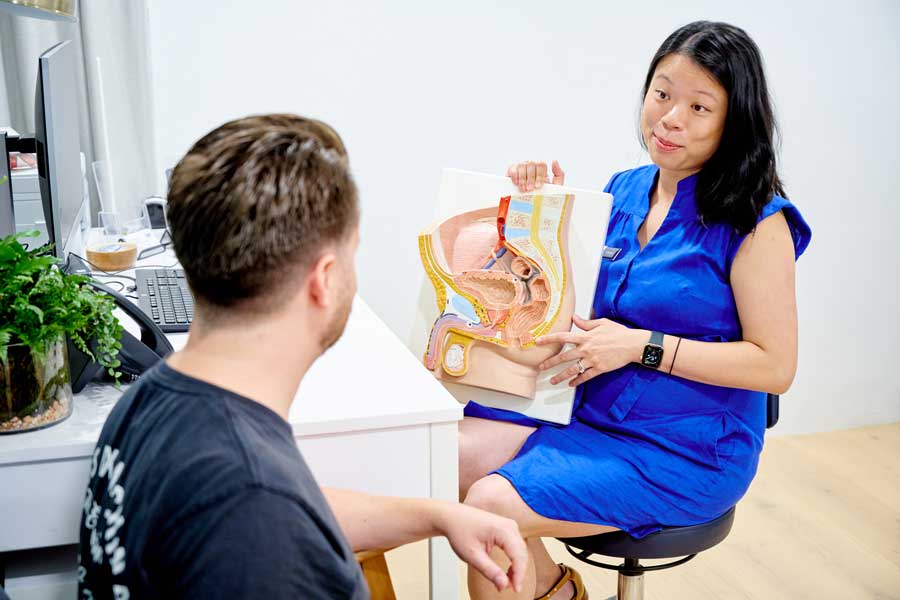
Rectus abdominis diastasis (RAD), commonly known as abdominal separation, is when the outer layer of the abdominal muscles separates through the centre of the abdominal wall.

It’s most commonly seen during and after pregnancy, affecting 1 in 2 pregnant women. However, it can also be present in other people, including men, athletes, and anyone putting a lot of strain on their stomach muscles.

What happens to your abdominal muscles

The rectus abdominis muscles are connected in the midline by connective tissue called the linea alba. The linea alba is a very important structure: it transmits force across the abdomen while maintaining optimal intra-abdominal pressure.

During pregnancy, your growing uterus and abdomen put strain on the muscles, and hormonal changes in your body weaken the connective tissue. The linea alba widens and softens to allow for the growing size of your belly. Sometimes after birth, though, the linea alba stays widened, which reveals the “gap” or separation between the abdominal muscles.

RAD is generally not painful. However, it can lead to back pain if the stomach muscles have weakened and are no longer supporting the trunk adequately, and pain can develop if it’s left untreated. As a result, many people with separated abdominal muscles don’t realise they have it until pain develops. However, there are indicators you can look for.

Who Is At Risk Of Developing Abdominal Muscle Separation?

As we touched on above, RAD is a common condition that affects 1 in 2 pregnant women. However, some factors put a person more at risk of developing it.

RAD is most common in:

  • Women who have been pregnant before
  • Older pregnant women
  • Obese pregnant women
  • Women giving birth to multiples

This is because their abdominal muscles have already been stretched before, or are under more strain than usual during pregnancy.

How Do I Know If I Have Abdominal Muscle Separation?

How can you figure out if you have diastasis rectus abdominis? Here’s what to look for.

Abdominal Muscle Separation Symptoms

The most obvious signs of RAD are changes to your core muscles and abdomen. Many people first become aware of it when they sit up or get up from the floor and notice a doming through the middle of their tummy. You can often see a gap appear between the two bands of separated muscle, which looks like a bulge going down the middle of your stomach.

Along with visual cues like a stomach bulge, lower back pain is often an indicator of RAD. As your deep abdominal muscles separate, other parts of the body take on more strain to compensate.

In some cases, other symptoms can include:

  • Constipation
  • Urinary incontinence
  • Frequent bloating
  • Changes in posture

Abdominal Muscle Separation Diagnosis

If you want to confirm whether you have abdominal muscle separation, you can visit a Physiotherapist for a diagnosis. There are several important measures when checking for RAD:

  1. Width of the RAD: the separation between your left and right rectus abdominis muscles, also known as the inter-recti distance (IRD).
  2. Length of the RAD: the distance along the midline, above and below your belly button.
  3. Depth of the RAD: this indicates the quality of the connective tissue (linea alba) you have available to transmit force across your abdomen.
  4. Linea alba integrity and tension: whether the linea alba has stayed widened and softened after pregnancy.
  5. Transverse abdominis activation: the transverse abdominis is the deepest layer of the abdominal wall and represents the front of your “core” canister. It creates tension across the linea alba, allowing for optimal loading through your tummy muscles. This is checked on real time ultrasound to ensure correct activation patterning. Learn more with this PDF: Your Inner Core.

The pelvic floor is closely linked with the transverse abdominis, so it can be checked on ultrasound at the same time as we assess your abdominal muscles. It’s not unusual to have incontinence and RAD together, so it’s important to investigate both the pelvic floor and the abdominals in the postpartum period. Learn more here: Post-Natal Assessment.

After the examination and diagnosis, treatment can begin.

Treating Abdominal Muscle Separation

In most cases, treatment for abdominal muscle separation comes down to a care routine developed by physical therapists. Following a thorough examination, your physiotherapist will devise an exercise program to strengthen your abdominal wall safely and effectively. These include exercises designed to engage your ab muscles, core muscles, and pelvic floor muscles, along with deep muscle exercises.

Other treatments include:

  • Practising good posture
  • Wearing supportive garments: sometimes an abdominal binder or compression shorts can assist recovery, and will be prescribed
  • Avoiding heavy lifting or strain on your abdominal muscles

Diastasis Recti Surgery

In extreme cases, some women may need diastasis recti surgery. This is a procedure similar to tummy tuck surgery, without the focus on fat removal. A surgeon performs a diastasis recti repair, surgically joining the previously separated muscles.

This type of surgery only happens in extreme cases, where physical therapy and exercise aren’t enough for the muscles to repair naturally. Always consult your doctor to see if reconstructive surgery needs to be part of managing your RAD.

Exercises To Help In Recovery

If you’re worried about developing this condition, there are many forms of exercise you can do to help make sure it’s never an issue. Regular abdominal exercise can do wonders to prevent RAD and repair your separated rectus abdominis muscles in recovery.

Exercises To Try

Choose exercises that begin to repair your abdominal muscles and bring them back together. Focus on exercise where your belly doesn’t need to bulge and you won’t strain your stomach muscles.

Suggested exercises include pelvic tilts, leg stretches, and bridges. You should also focus on deep breathing, lying on your back, and engaging your diaphragm.

Exercises To Avoid

If you’re exercising in recovery, avoid any exercises that strain the middle of your belly, such as planks and sit-ups. You don’t want to encourage the separated muscles to strain or bulge.

You should also avoid heavy weightlifting and exercises that involve twisting. Too much strain on your rectus muscles could separate them further, or even lead to an abdominal wall hernia.

In Conclusion

Taking care of your body after pregnancy can be hard, but you don’t have to do it alone. If you’re experiencing symptoms of RAD, or are looking for help developing a treatment plan, feel free to contact us! We’re happy to help you develop a tailored exercise program that works for you.

What’s Happening?

It’s perfectly normal for post-natal women to experience pelvic health conditions, and appropriate exercise and treatment returns most women to their pre-pregnancy state. If you’re experiencing any symptoms or issues following birth, book a Post-Natal Assessment with one of our experienced Physiotherapists today. Our Post-Natal Assessment will help identify any issues that need addressing so you make a full recovery from your pregnancy.

Related Posts

Beyond, Birth & Beyond, Birth Preparation, Post-Natal

Bump, Birth & Beyond for the Athlete

Our BBB for the Athlete stream is designed for active women and athletes who want to stay strong, prevent injury, and return to sport safely after birth—without compromising performance.

Learn More
Birth, Birth Injuries, Birth Preparation, Labour Preparation, Post-Natal

Supporting Women Through Birth Injuries

There are lots of different things that can happen while giving birth that can lead to you dealing with birth trauma. If you went through a traumatic birth, you’re not alone. Many women find themselves walking away from giving birth with difficulty coping and dealing with the things that arose during labour.

Learn More
Birth Injuries, Bump, C-Section, Post-Natal

What to Expect After a C-Section

Whether it’s planned or unplanned, it’s important for first-time parents to familiarize themselves with what happens during a caesarean birth.…
Learn More