This Mental Health Month, we invite you to take steps – no matter how small – toward both mental and pelvic wellbeing. Connecting with your body, noticing tension, seeking gentle movement, and asking for help are all valid and powerful steps.
This article was updated by a Sydney Pelvic Clinic physiotherapist on 14/9/26
When it comes to mental health and pelvic health, the link is undeniable. Stress, anxiety and depression can trigger a cascade of physical symptoms especially in the pelvic region. Pelvic pain, urinary urgency, constipation, sexual dysfunction, and incontinence are just some of the ways our bodies reflect emotional distress.
At Sydney Pelvic Clinic, we see how every day small steps toward self-awareness, self-compassion, and pelvic physiotherapy can significantly improve both mental and physical wellbeing.
Why Mental Health and Pelvic Health are Connected
Mental health and pelvic health are closely connected through the autonomic nervous system. When we feel calm and safe, our parasympathetic (“rest and digest”) nervous system supports rest, digestion and recovery. When we experience ongoing stress or anxiety, the sympathetic (“fight or flight”) nervous system can become more active, keeping the body in a heightened state of alert. This can affect the way we breathe, move and hold tension throughout the body.
For some people, this may contribute to increased pelvic floor muscle tension, changes in bladder or bowel function, or increased sensitivity to pelvic pain and other pelvic health symptoms. The relationship also works in the other direction. Living with ongoing pelvic pain, urinary or bowel symptoms, sexual dysfunction or other pelvic health concerns can affect confidence, sleep, relationships and quality of life, and may contribute to increased anxiety or depression.
Research highlights how closely these experiences can be linked, with people living with chronic pelvic pain reported to be around twice as likely to experience anxiety and depression.¹ Recognising this connection doesn’t mean that pelvic symptoms are “all in your head”. Rather, it highlights the complex interaction between the brain, nervous system, muscles and pelvic organs. Understanding the connection between mental health, anxiety, depression and pelvic health can be an important first step towards addressing both the physical symptoms and the factors that may be contributing to them.
Small Steps that Make a Difference Here are five practical ways to achieve both mental and pelvic well-being;
- Awareness and acknowledgment Pause and identify what you’re feeling – physical discomfort, pelvic tension or emotional distress. Naming symptoms is the first step toward change. Practising mindfulness and present moment awareness are enormously beneficial in regulating your nervous system.
- Connection Building and maintaining strong social connections with others is crucial for mental well-being. This can involve spending time with friends and family, engaging in social activities, or simply having meaningful conversations with people around you.
- Be active Research shows a strong correlation between physical activity and increased wellbeing. Walking, swimming or gentle exercise help lower rates of depression and anxiety. Gentle yoga, breathing, mindfulness or guided relaxation can also help release pelvic tension.
- Give Doing something for others is linked in research to greater levels of happiness. It helps to create connections in your community. Try doing something nice like volunteering, smiling at a stranger or buying a friend a coffee and notice how you feel. A sense of reward is almost inevitable.
- Learning new things Continuous learning, whether through formal education, hobbies, or new experiences, can enhance cognitive function, boost self-esteem, and provide a sense of purpose. Other benefits: Ensuring good physical health and adequate sleep are key factors to good physical health, which in turn regulates mental health.

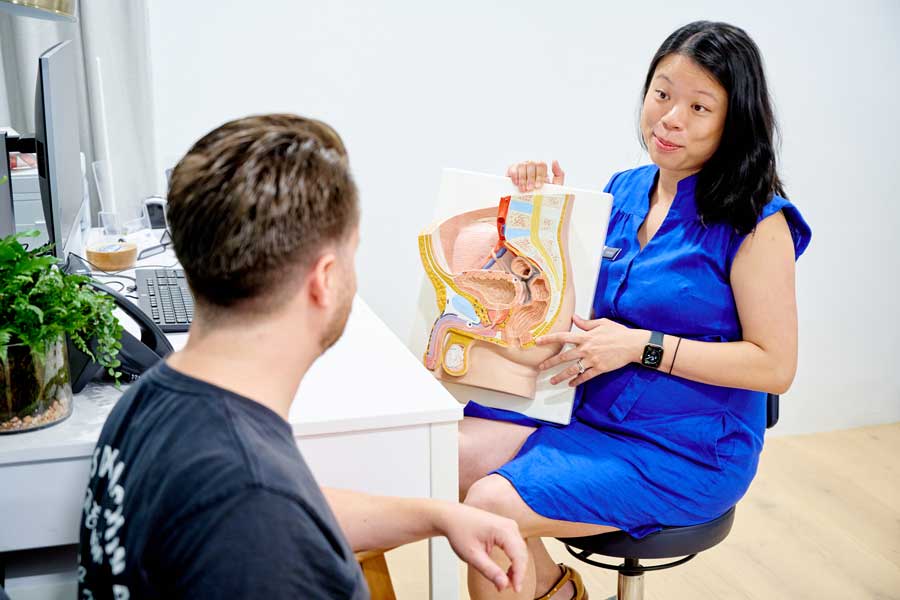
How can Physiotherapy Help? At SPC, we use evidence-based strategies, involving a top-down and bottom-up approach – addressing both your nervous system and pelvic structures. Your pelvic physiotherapist can help calm an overactive system while retraining your muscles and guiding you toward better movement, habits and mental self-care 2:
Our pelvic health physiotherapists are trained to assess and treat both physical and emotional contributors to pelvic dysfunction. Treatments may include ³:
- Pelvic floor release techniques (manual therapy, pelvic floor relaxation exercises, dilators)
- Deep breathing and guided relaxation Manual therapy/ massage Transcutaneous
- Electrical Nerve Stimulation (TENS) for pain or urgency, or interferential for constipation Bladder retraining programs
- Mindfulness and body awareness exercises
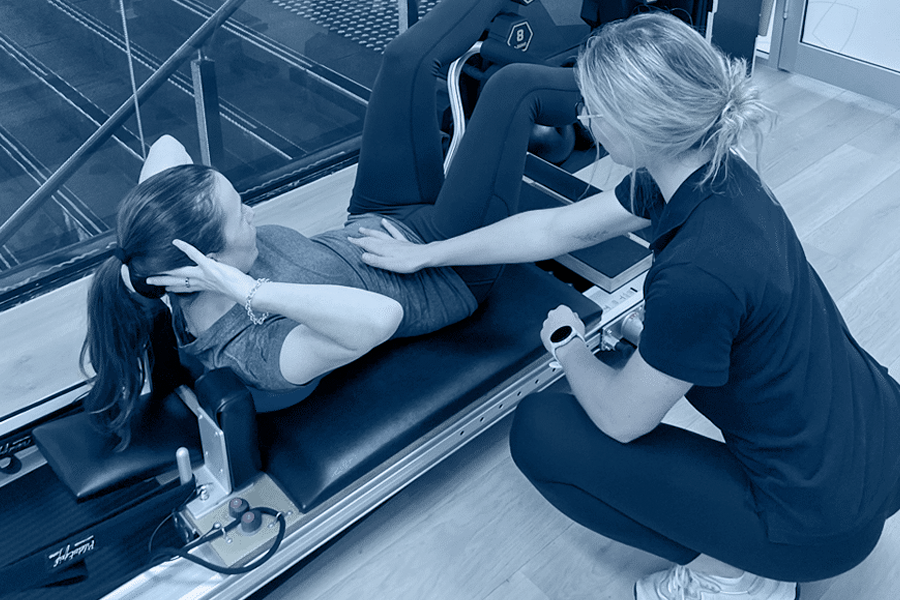
- Whole-body movement therapy including Pelvic Yoga and Strength and Mobility exercises
- Self-care strategies and Pelvic Floor and Whole Body Reset workshops
Read More: How massage, mindfulness & relaxation can release pelvic and jaw tension
Conclusion
This Mental Health Month, we invite you to take steps – no matter how small – toward both mental and pelvic wellbeing. Connecting with your body, noticing tension, seeking gentle movement, and asking for help are all valid and powerful steps.
Consider booking a pelvic health assessment with SPC and explore how mental health steps, like mindfulness or movement, can support your pelvic health. If you’d like to learn more, sign up for our Pelvic Floor release workshop in October or call SPC to chat about an individualised assessment and support.
FAQs
How do stress and anxiety affect the pelvic floor? Stress and anxiety can affect pelvic health by changing the way we breathe, move and hold tension in our bodies. This can contribute to pelvic floor tension and symptoms such as pelvic pain, urinary urgency, constipation or difficulty relaxing the pelvic floor. Anxiety can also make us more aware of physical sensations, causing existing pelvic symptoms to feel more noticeable or distressing.
Can anxiety cause pelvic floor tension? Anxiety can contribute to pelvic floor tension, but it is not necessarily the only cause. Pelvic health symptoms are often influenced by a combination of physical, emotional and lifestyle factors. A pelvic health physiotherapist can help identify what may be contributing to your symptoms and provide strategies to improve pelvic floor relaxation, coordination and overall comfort.
How can a pelvic health physiotherapist help if my symptoms are affected by stress? A pelvic health physiotherapist can help you understand how your symptoms, pelvic floor muscles, breathing, movement and nervous system may be interacting. Treatment might include pelvic floor relaxation or coordination exercises, breathing strategies, education about pain and the nervous system, movement and exercise, and strategies to gradually build confidence in activities that may have become difficult. Your physiotherapist can also work alongside your GP, psychologist or other healthcare professionals when additional support is needed.
References
1 Siqueira-Campos, V. M. E., Da Luz, R. A., de Deus, J. M., Martinez, E. Z., & Conde, D. M. (2019). Anxiety and depression in women with and without chronic pelvic pain: prevalence and associated factors. Journal of Pain Research, 12, 1223–1233. https://doi.org/10.2147/JPR.S195317
2 White, R. L., Vella, S., Biddle, S., et al. (2024). Physical activity and mental health: A systematic review and best-evidence synthesis of mediation and moderation studies. International Journal of Behavioral Nutrition and Physical Activity, 21(1), 134. https://doi.org/10.1186/s12966-024-01676-6
3 Daniëlle A. van Reijn-Baggen et al. (2022). Pelvic Floor Physical Therapy for Pelvic Floor Hypertonicity: A Systematic Review of Treatment Efficacy, Sexual Medicine Reviews, Volume 10, Issue 2, Pages 209-230. https://doi.org/10.1016/j.sxmr.2021.03.002.