

Keep up to date with the latest news at Sydney Pelvic Clinic with our monthly newsletter.
with Dr. Angela James FACP
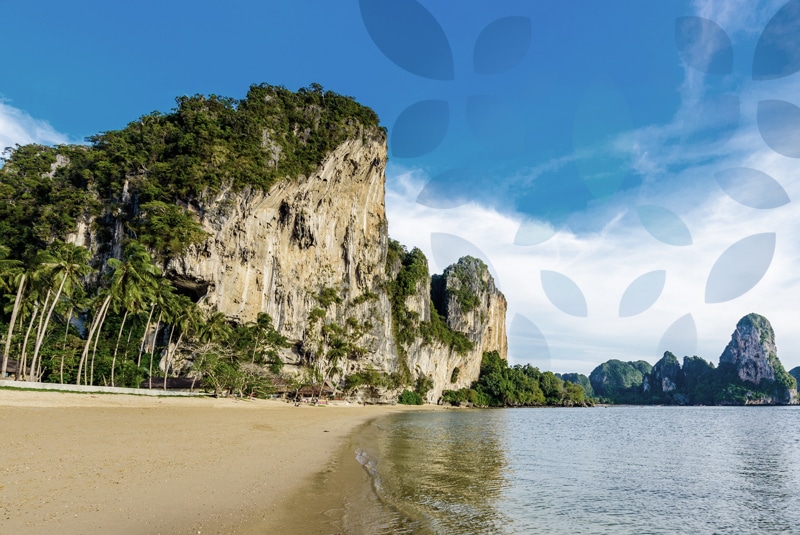
In 2004, I was backpacking through southern Thailand with my sister and brother. We were staying in Tonsai — a small, beautiful bay framed by towering limestone cliffs and turquoise water. It was a place I loved and had visited many times. The rock climbing was world class, but it was the simplicity of life and the kindness of the Thai community that truly captured my spirit.
Unlike many surrounding areas along the Andaman coast — which were flat and low-lying — Tonsai was defined by its steep inclines and dramatic limestone cliffs. It was, and remains, a rock-climbing mecca of Southeast Asia. At the time, we simply appreciated its beauty and adventure.
We did not yet understand how much that landscape would matter.
On Boxing Day morning, we were sitting at breakfast, speaking with our parents and brother back in Australia to wish them a Merry Christmas.
Then we saw it — a broken wave on the horizon.
That alone was unusual. Tonsai was a peaceful bay. It didn’t have waves. Within moments, it was clear this was no ordinary swell. The wave carried enormous force, smashing kayaks, surging over islands, lifting and breaking long-tail boats. There was no time to gather belongings from our bamboo bungalows. There was only one thing to do: raise the alarm and run.
And because of where we were — because Tonsai rose sharply into hills and cliffs — we could run upwards.
While many other coastal areas were tragically overwhelmed by waves that swept across flat land, the steep terrain of Tonsai gave us elevation and refuge. It quite literally saved us.
How fortunate we were.
The next moment we were moving up and down the hillside, trying to make sense of what was happening. People were injured, especially those who had been kayaking or were out on boats. It was chaotic, frightening and surreal.
In the days that followed, we helped clear debris from the beachfront and process what had occurred. There were no phone lines, no internet. We didn’t yet understand that we had experienced one of the deadliest natural disasters in modern history — the 2004 Indian Ocean tsunami, which claimed more than 230,000 lives across 14 countries.
Three days later, as food and water supplies became scarce, we made the difficult decision to leave. We could leave. The local community could not. They needed resources far more than we did.
When we finally made contact with our parents — who had not heard from us since that Boxing Day call — the enormity of what we had survived began to settle in. Returning home to Australia, I carried both gratitude and a new awareness of how quickly life can shift.
A Defining Realisation
In the weeks and months that followed, I felt deeply grateful. But alongside that gratitude was something unfamiliar.
For the first time, the ground did not feel entirely steady.
There was a heightened awareness that life could change without warning. A sense of vulnerability I hadn’t known before. Fear was not something that had shaped my decisions in the past — and I didn’t want it to begin. I found myself searching for steadiness.
The one place that consistently felt grounded was my work. As a physiotherapist, I could see the tangible difference that knowledge, care and structured rehabilitation made in someone’s life. Helping people understand their bodies, relieve pain, rebuild strength and restore confidence brought clarity and direction. It felt purposeful. It felt constructive. It felt steady. Gradually, a quiet conviction formed.
Life can change in an instant, therefore the work I chose needed to matter. Starting my own clinic was a deliberate commitment to build something steady — for others, and for myself.