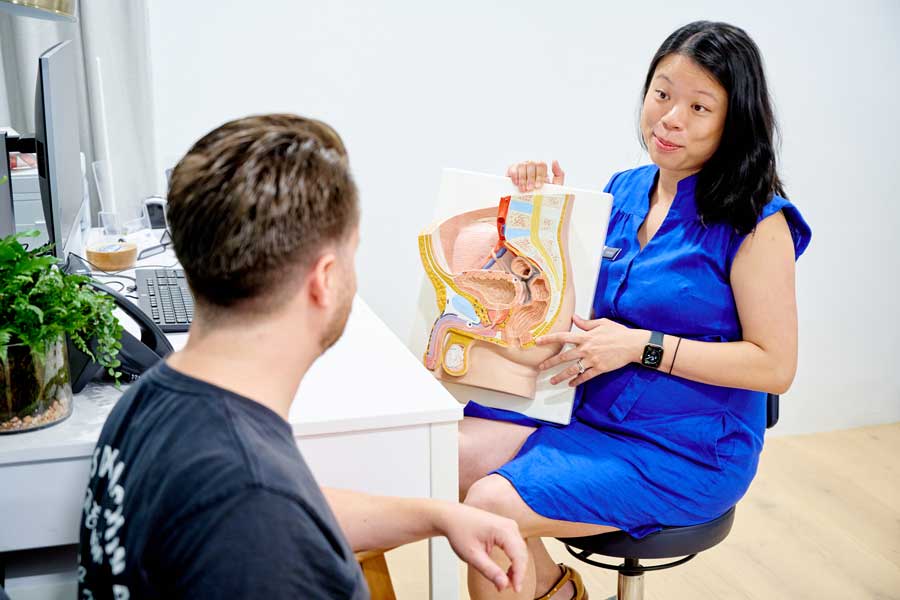
One of my patients recently described having a “part-time prolapse.” Some days she barely noticed it, and on other days, the vaginal heaviness and pressure could stop her from exercising or socialising.
Many women expect prolapse to feel constant: either you have symptoms, or you don’t. However, in reality, prolapse symptoms often fluctuate from day to day, and can vary even within the same day. So, if your prolapse feels worse on some days than others, it doesn’t automatically mean it’s progressing or becoming more severe.
Prolapse symptoms can vary from one day to the next depending on what your body has been exposed to that day.
Symptoms like bulging, heaviness or vaginal pressure, or difficulty emptying the bladder or bowel, can temporarily increase after activities that place more load through the body, such as:
- prolonged standing
- lifting
- high-impact exercise
- repetitive bending or carrying
- physically demanding days overall
This doesn’t necessarily mean damage is occurring. More often, it reflects how your body is responding to pressure and fatigue.

Why symptoms often feel worse later in the day
A common pattern we hear in clinic is: “I feel fine in the morning, but by late afternoon everything feels heavier or I can feel ‘something there’.”
This makes sense biomechanically.
Throughout the day, your pelvic floor and surrounding support structures are continuously managing pressure from:
- movement and exercise
- lifting and carrying
- bowel function and straining
- breathing patterns
- abdominal pressure
- general fatigue
As those loads accumulate, symptoms can become more noticeable even though the underlying prolapse itself may not have structurally changed.
More symptoms don’t always mean “more prolapse”
Research consistently shows that the degree of prolapse seen on assessment doesn’t always match how symptomatic someone feels, ie. symptoms are not necessarily proportional to the severity of prolapse.
Clinically, we see some women with quite advanced prolapse who have very few symptoms. Conversely, others with relatively mild prolapse on examination can feel significant heaviness or pressure, particularly on higher-load days.
This is why we try not to focus solely on the “stage” of prolapse. How you function and feel day-to-day matters just as much.

Understanding your own “part-time prolapse”
Once women start recognising their symptom patterns, prolapse can feel less unpredictable and less frightening.
You may notice symptoms increase:
- after poor sleep or periods of stress
- during heavier training weeks
- around hormonal changes (eg. in the lead up to and during your period)
- when constipation or straining is an issue
- after long days on your feet
Understanding these patterns can help you to respond proactively rather than feeling like your body is suddenly “failing.”
So what actually helps?
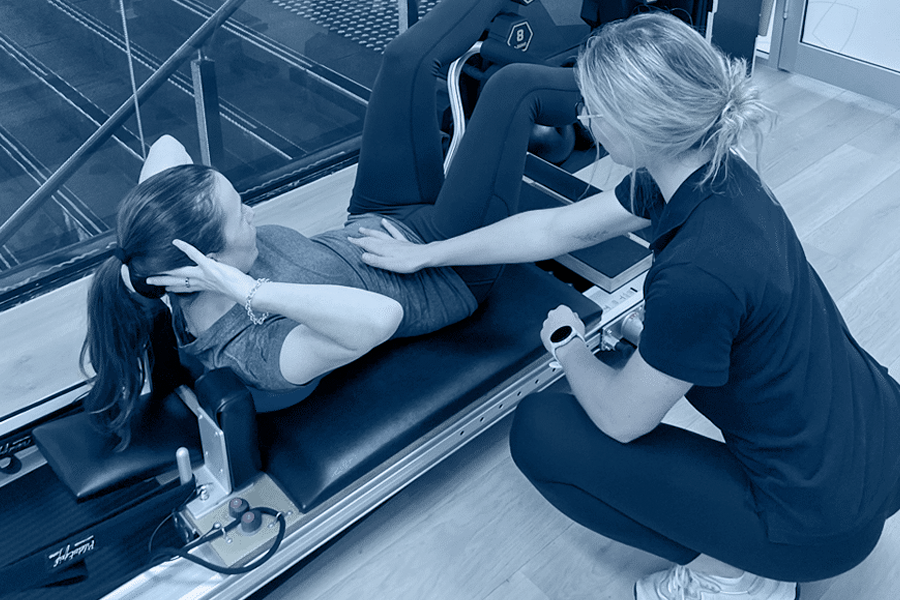
Pelvic physiotherapy isn’t just about pelvic floor strengthening.
At Sydney Pelvic Clinic, management can also include:
- improving pelvic floor support with a pessary fitting
- improving pelvic floor coordination
- helping your body manage pressure more effectively
- modifying load (without unnecessarily avoiding exercise)
- addressing bowel habits and straining
- building confidence to stay active safely
The goal is to help you feel informed and confident to return to the exercise and activities that you love.
For more strategies, have a look at this article: Demystifying prolapse — strategies to relieve prolapse symptoms. To learn more about pessaries: The plug on pessaries
The upshot
A “part-time prolapse” is actually a very common experience. Symptoms can naturally fluctuate depending on load, fatigue, pressure, hormones, and daily activity. A heavier day symptom-wise doesn’t necessarily mean your prolapse is worsening.
And importantly, understanding these fluctuations can help you feel far more confident in managing them. If you’re experiencing prolapse symptoms and want support to understand how to manage this, the team at Sydney Pelvic Clinic is here to help.