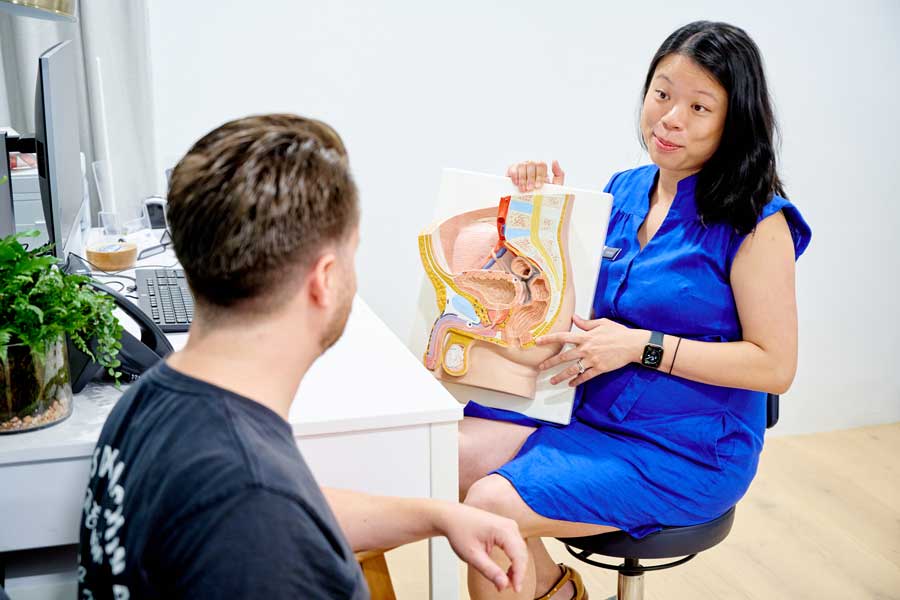
Have you noticed a bulge or been experiencing heaviness or a dragging sensation in your vagina? These are common symptoms of vaginal prolapse, caused by the descent of one or more of the pelvic organs (bladder, uterus and bowel) and are particularly common in women who have had a vaginal delivery (especially if forceps assistance was required), or after a period of excessive coughing, straining with bowel movements or heavy lifting.
These symptoms can occur at any time but are particularly prevalent in the postnatal period and during perimenopause/menopause when hormonal changes may be impacting your pelvic floor function and household demands often require frequent lifting or carrying. Many women report that these symptoms are worse at the end of the day or after a prolonged period of standing and they can be particularly distressing for women, significantly impacting their daily function. However, these symptoms can be successfully managed.
What can you do to relieve prolapse symptoms?
As prolapse can be caused by both a disruption to the pelvic fascia or a loss in pelvic floor muscle (PFM) support, prolapse symptoms can be relieved by improved positioning of the organs as well as improving PFM strength and bulk. Additionally, ensuring good bladder and bowel habits is essential.
1. Relieving positions:
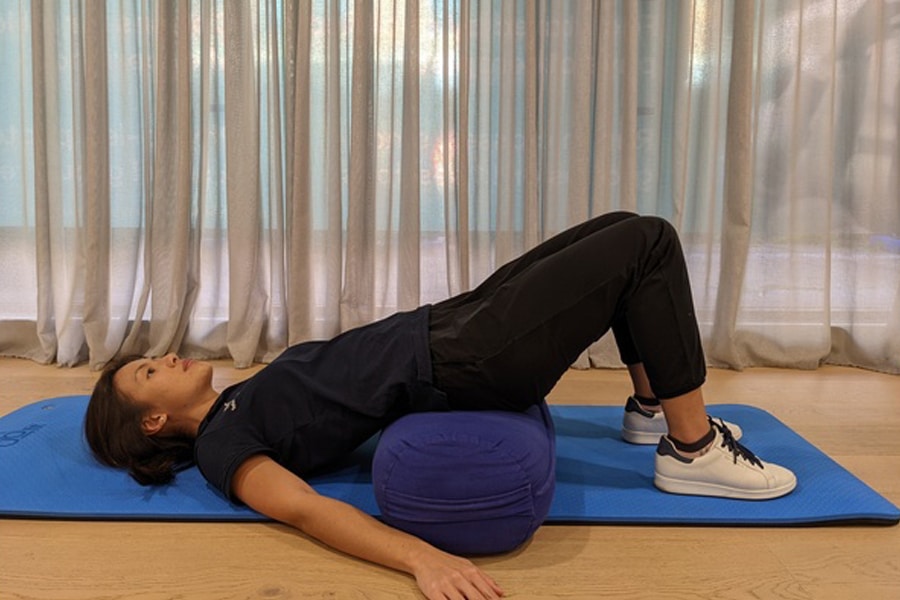
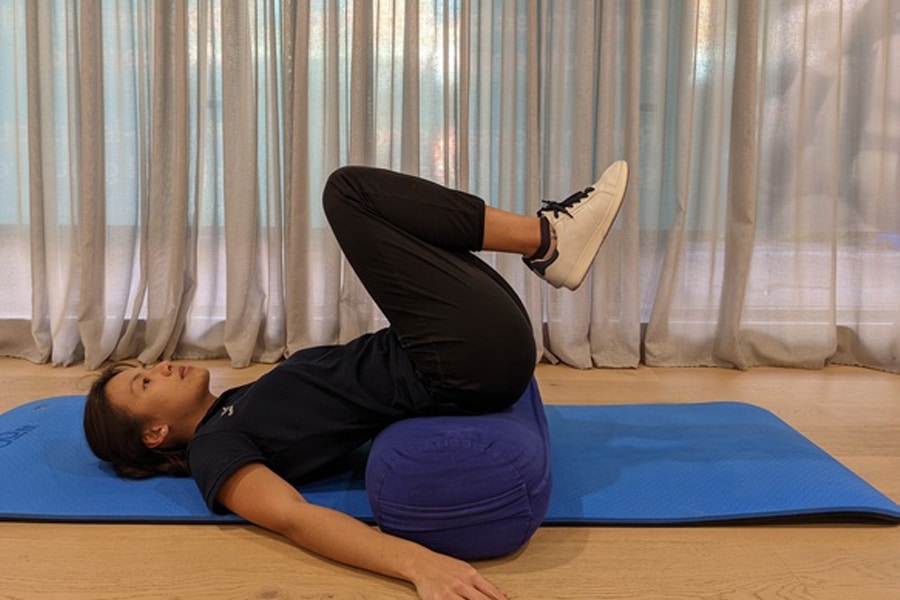
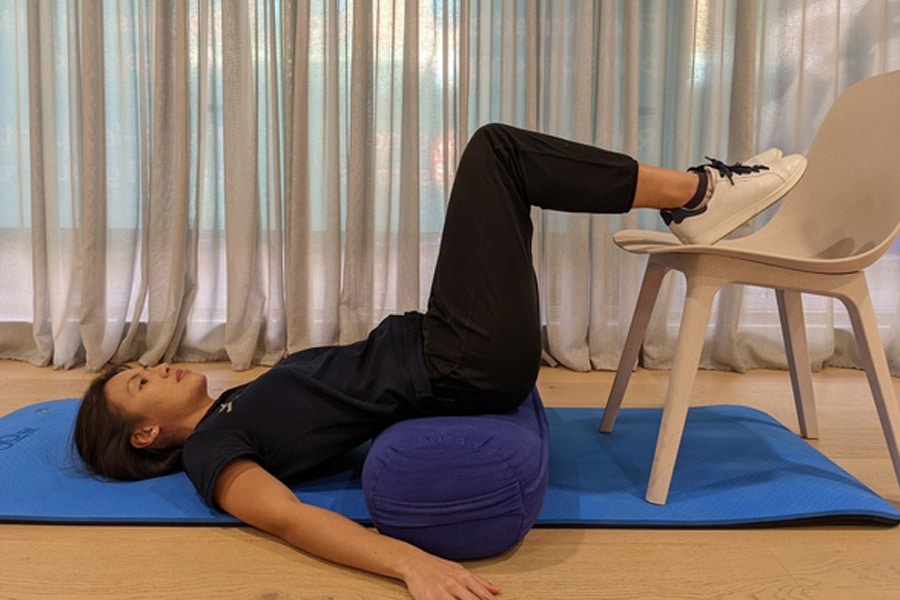
The best prolapse relieving positions are anti-gravity positions where the pelvis is elevated to help reposition the organs. Some helpful positions can be seen below and include a supported bridge, supported bridge with feet elevated, supported bridge with feet resting on a chair, or lying with feet supported up a wall. However, even lying flat or resting in a supported position such as child’s pose can help reduce the feeling of bulging or heaviness.
2. Pelvic Floor Muscle training
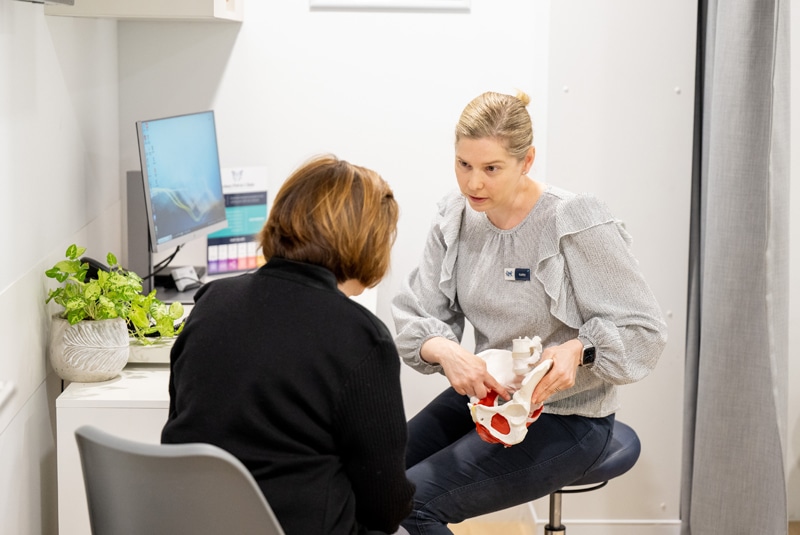
An individualised Pelvic floor muscle training program has Grade A evidence (the highest level) for significantly improving prolapse symptoms. Whilst the focus is on building strength and bulk of the muscle, this program must be individualised to ensure correct activation of the muscles and adequate progressions to allow for continued gains in strength and hypertrophy of the muscle. Therefore, seeing a Pelvic Health Physiotherapist is essential.
3. Vaginal Pessary Support
Using a vaginal pessary (pictured below), is a silicone device that is inserted into the vagina. It can support the pelvic organs and vaginal tissues and relieve the symptoms of prolapse. More information on pessaries can be found in this SPC article: The Plug on Pessaries.

4. Good bowel and bladder management
Constipation and straining on the toilet can worsen prolapse symptoms. Ensuring adequate fluid and fibre intake to keep bowel movements soft and sitting correctly on the toilet to assist with bowel emptying, will help to avoid the need to strain and thus reduce prolapse symptoms.
5. Core strengthening
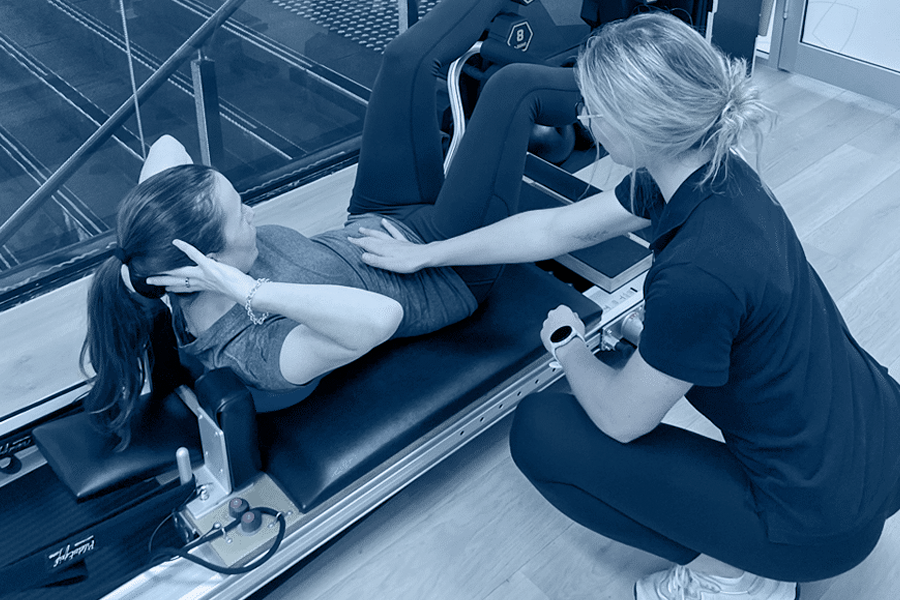
Avoiding a build-up of excessive intra-abdominal pressure in the abdomen is necessary to avoid worsening of prolapse, so learning how to activate your core muscles correctly and then strengthening these with a supervised training program is essential.
Frequently Asked Questions
Can you get prolapse if you have never had a child?
Yes. Whilst being pregnant and having a vaginal delivery increase your risk of developing future prolapse, organ descent can occur at any stage of life after excessive periods of straining such as with constipation and heavy lifting. Other risk factors that can contribute to the development of prolapse include obesity and having a higher body mass index (BMI) as well as genetic factors and differences in collagen and connective tissue types.
Do I have to undergo surgery to treat my prolapse?
No. Whilst prolapse can be managed with surgery, it can also be managed conservatively with pelvic floor exercises, lifestyle modifications (weight management, avoiding chronic cough, good bladder and bowel habits) and pessary support.
I have vaginal heaviness, does that mean I must have vaginal prolapse?
Not necessarily. The sensation of vaginal heaviness can also be present in someone without prolapse but with a higher tone pelvic floor (a pelvic floor which is too tight). Therefore, it is important to have a thorough pelvic floor assessment to determine the cause of your symptoms and develop an individualised management plan to target your issues.
In Conclusion
If you are experiencing symptoms of prolapse ensure you book in for a Pelvic Assessment with a Pelvic Heath Physiotherapist at Sydney Pelvic Clinic. This will allow for a thorough assessment for prolapse, evaluation of your pelvic floor and core function, identification of any additional contributing factors and allow for an individualised management and exercise plan to be developed.