For many people endometriosis is described as a pelvic condition, defined by lesions, organs and surgical findings. But for those living with it, endometriosis often affects the entire body. Pain can extend into the hips, back, glutes, abdomen, legs and even influence fatigue, sleep, digestion, mood and movement confidence.
A growing body of research now recognises that endometriosis pain is not explained by tissue changes alone. The nervous system, musculoskeletal system and lived experience of pain play a major role. Understanding this broader picture can be empowering and it opens the door to more effective, individualised care.
1. Why Endometriosis Pain Isn’t Just About Lesions
One of the most confusing aspects of endometriosis is the mismatch between symptoms and scans. Some people have extensive disease with minimal pain, while others experience severe pain despite minimal or no visible lesions.
This is because pain is produced by the nervous system. Ongoing inflammation, repeated pain episodes, surgery, stress, and hormonal fluctuations can sensitise the nervous system, making it more reactive over time. This process, known as central sensitisation, lowers pain thresholds and amplifies signals, meaning everyday activities like sitting, exercise, or bowel movements can feel threatening or painful.
This helps explain why pain can persist even after surgical excision and why addressing pain requires more than a single treatment approach.
2. The Role of Movement, Muscles, and Load
Living with endometriosis often changes the way people move. Pain leads to protective patterns; bracing the pelvic floor, gripping through the hips or abdomen, avoiding certain positions or stopping activity altogether.
Over time, this can result in:
- Increased pelvic floor muscle tension
- Reduced hip and trunk strength
- Reduced movement variability
- Heightened pain with sitting, walking, running or intercourse
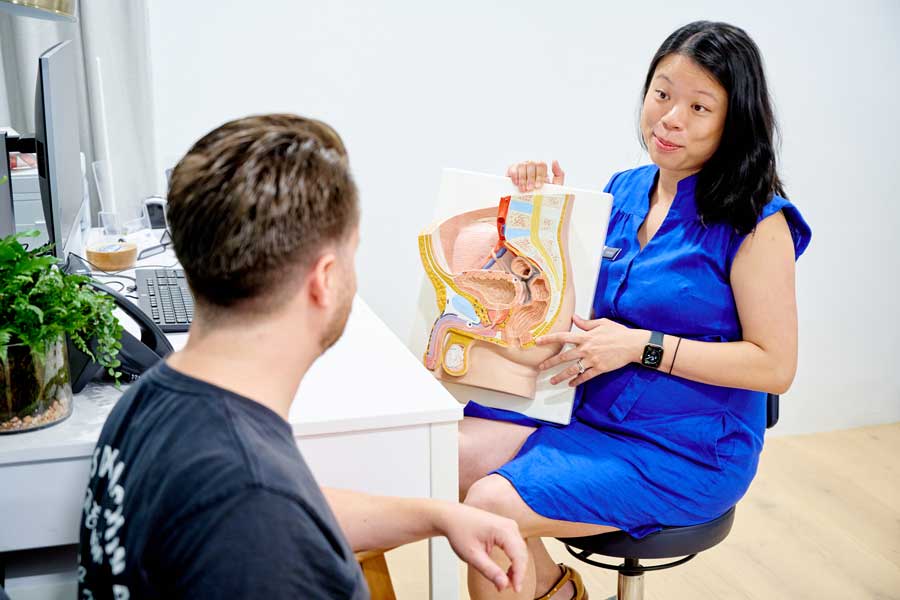
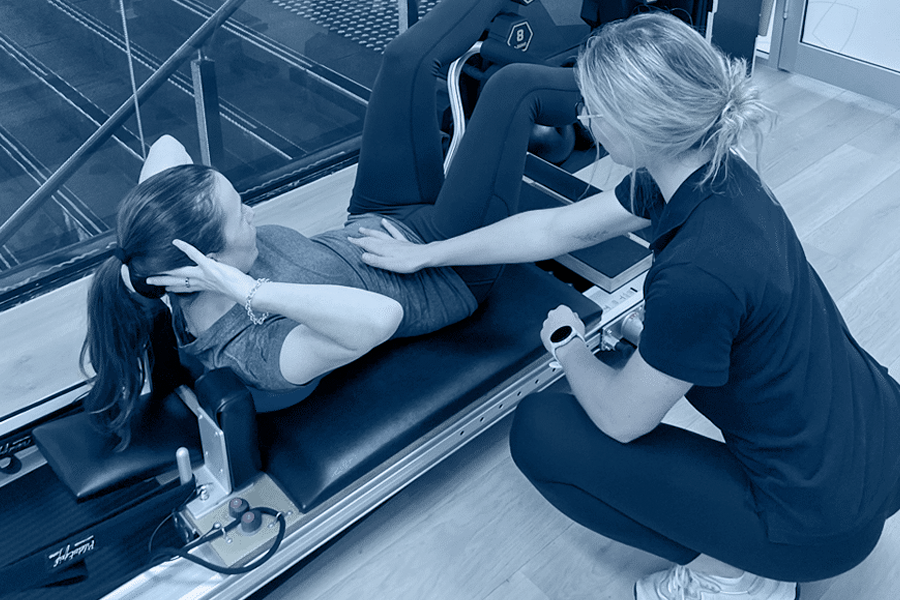
Pelvic health physiotherapy focuses on restoring safe, confident movement. This may include teaching overactive pelvic floor muscles how to relax, improving hip and trunk strength, gradually reintroducing load and retraining the nervous system to feel safe with movement again.
3. Pain, the Brain, and the Stress Response
Chronic pain doesn’t exist in isolation. Pain, stress, poor sleep, anxiety and fatigue all share the same nervous system pathways. When the body remains in a heightened threat state, symptoms can flare more easily.
This does not mean pain is psychological – it means pain is biological, learned, and adaptable.
An integrated approach that includes pain education, breath work, gentle exposure to movement and psychological support can help calm the nervous system and reduce symptom intensity over time.
4. Why an Integrated Model of Care Matters
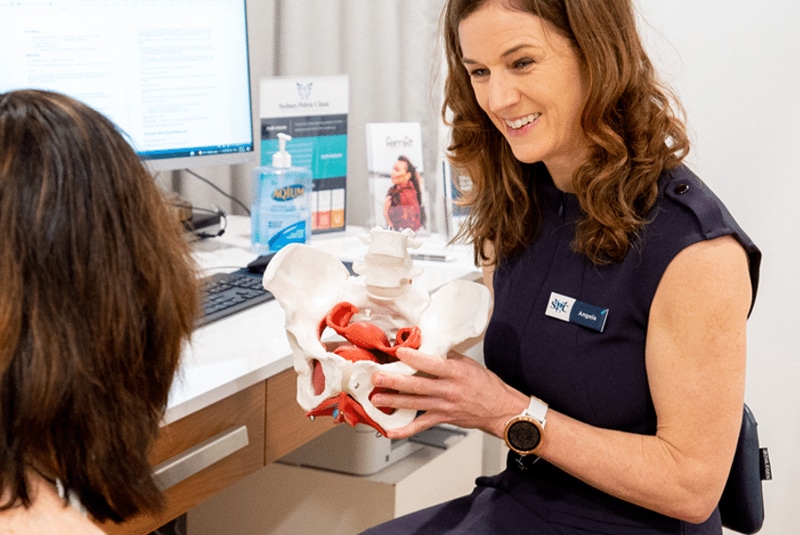
Endometriosis is complex and no single practitioner or treatment can address every layer. At Sydney Pelvic Clinic, we take an integrated approach, working collaboratively across disciplines to support the whole person, not just the diagnosis.
This may include:
- Pelvic health physiotherapy to address pelvic pain, bladder and bowel symptoms, sexual pain and movement-related pain
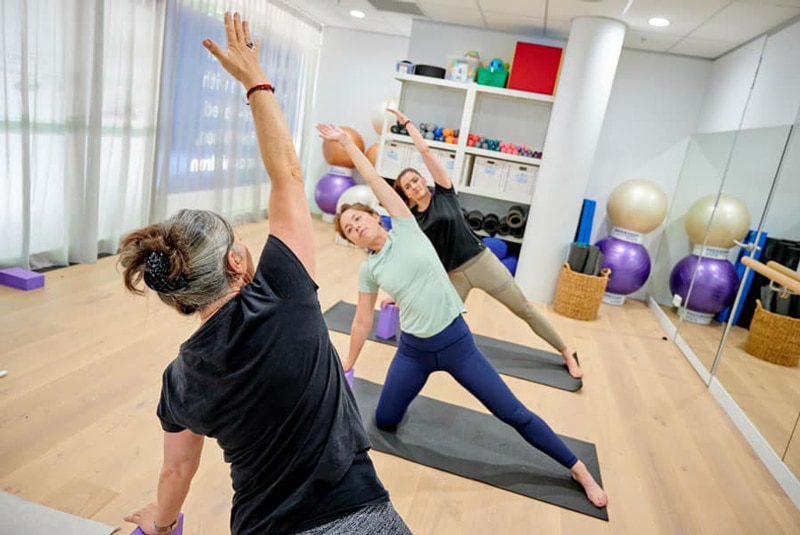
- Exercise therapy to rebuild strength, confidence and load tolerance in a safe, supportive environment
- Massage therapy for pain modulation, muscle relaxation and nervous system regulation
- Psychological support to address pain coping, stress and the emotional burden of living with a chronic condition, and onward referral to a psychologist or therapist if required
This team-based approach allows care to be tailored, flexible and responsive to where each person is in their journey.
5. What Does the Research Say?
Research over the last decade has changed how we understand endometriosis pain. While endometriosis involves inflammation and lesions, studies consistently show that pain severity does not reliably match the amount of disease seen on imaging or during surgery (As-Sanie et al., 2019).
This mismatch is explained by changes in how the nervous system processes pain. Repeated pain, inflammation, hormonal fluctuations, stress and previous surgery can sensitise the nervous system, lowering pain thresholds and amplifying signals, a process known as central sensitisation (Carey et al., 2023).
Clinical studies have shown that people with higher levels of central sensitisation are more likely to experience persistent pain even after surgical treatment, highlighting why surgery alone does not always resolve symptoms (Orr et al., 2023).
Research has also demonstrated that pain sensitivity in endometriosis can be widespread, with reduced pain thresholds and muscle tenderness found not only in the pelvis, but also in the hips, abdomen, back, and limbs. This supports a whole-body approach to care rather than a purely pelvic focus (Plinsinga et al., 2018).
Together, this growing body of evidence supports a whole-person, multidisciplinary approach to endometriosis care. Addressing not only the disease tissue itself, but also movement patterns, muscle function and nervous system regulation.
Conclusion
Endometriosis is not just a condition of tissue – it is a condition that affects the nervous system, movement and quality of life. Understanding pain beyond the pelvis helps shift the focus from “fixing” the body, to supporting it.
With the right education, movement-based care and integrated support, people with endometriosis can reduce pain, improve function and reconnect with the activities that matter to them.
If you’re living with endometriosis and feel like your symptoms don’t fit neatly into one box, an integrated approach may help. To learn more about how SPC can support you, contact our team to explore our pelvic physiotherapy and exercise therapy services.
Frequently Asked Questions
Can physiotherapy help even if I’ve had surgery? Yes. Physiotherapy can address muscle tension, movement patterns, and nervous system sensitivity that surgery alone does not resolve.
Why does my pain flare with sitting or exercise? This is often related to pelvic floor tension, hip and trunk loading and nervous system sensitivity rather than ongoing tissue damage.
Is endometriosis pain ‘in my head’? No. Pain is real and biological. The brain plays a role in processing pain, but that does not make symptoms imaginary.
Do I need to stop exercising? Usually no. Exercise is often helpful when appropriately graded and individualised.
Can pain improve without hormones or surgery? For many people, symptoms can improve with conservative care that targets the nervous system, movement and lifestyle factors.
External Links
- Endometriosis Australia: https://endometriosisaustralia.org
- Pelvic Pain Foundation of Australia: https://www.pelvicpain.org.au
Reference list for research section:
As-Sanie, S., Black, R., Giudice, L.C., Valbrun, T.G., Gupta, J., Jones, B., et al. (2019). Assessing research gaps and unmet needs in endometriosis. American Journal of Obstetrics and Gynecology, 221(2), 86–94.
https://pubmed.ncbi.nlm.nih.gov/31190954/
Carey, E.T., Till, S.R., As-Sanie, S., and Zolnoun, D.A. (2023). Endometriosis-associated pain: mechanisms and clinical implications. Obstetrics & Gynecology, 141(3), 563–574.
https://pubmed.ncbi.nlm.nih.gov/37893241/
Orr, N.L., Wahl, K.J., Joannou, A., Hartmann, D., Vercellini, P., and As-Sanie, S. (2023). Central sensitization inventory scores are associated with pain outcomes after endometriosis surgery. JAMA Network Open, 6(2), e2253634.
https://pubmed.ncbi.nlm.nih.gov/36848090/
Plinsinga, M.L., Brink, M.S., Vicenzino, B., van Wilgen, C.P., and van der Meer, D. (2018). Evidence of nervous system sensitization in commonly presenting and persistent painful tendinopathies: A systematic review. British Journal of Sports Medicine, 52(12), 766–774.
https://pubmed.ncbi.nlm.nih.gov/29382789/