Pelvic organ prolapse affects around 1 in 2 women, yet for many, the first time they hear the words pelvic organ prolapse is when they are diagnosed.
It’s been encouraging to see this important women’s health issue receiving greater attention recently — including Senator Jacqui Lambie’s powerful speech in Parliament, raising questions about women’s healthcare, access to treatment and funding.
A recent Sydney Morning Herald article continued the conversation, exploring the physical and emotional impact of prolapse, birth injury, treatment options and the need for women to be better informed.
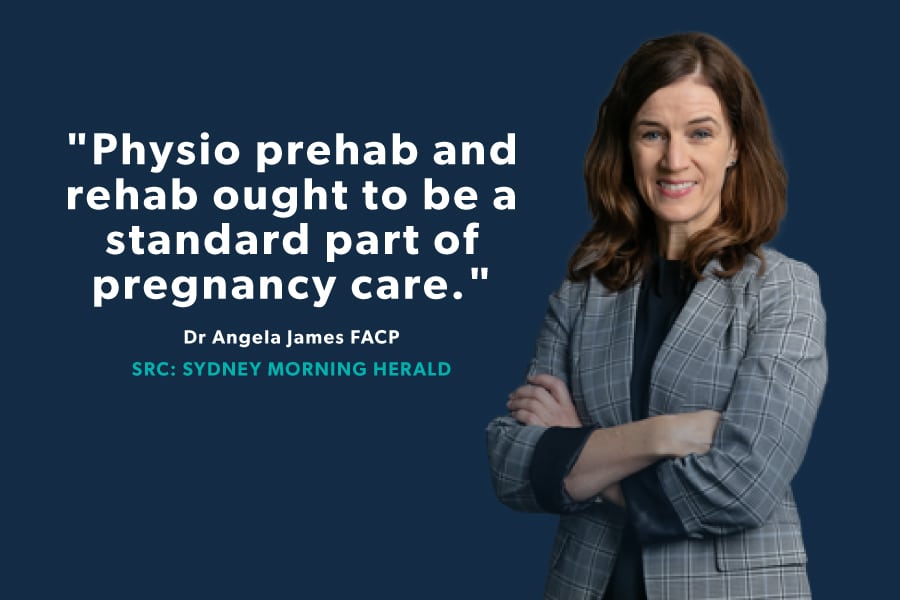
SPC founder Dr Angela James contributed to the article in her role as National Chair of the Australian Physiotherapy Association’s Women’s, Men’s & Pelvic Health Group, advocating for pelvic health physiotherapy to become a routine part of pregnancy care:
“Physio prehab and rehab ought to be a standard part of pregnancy care.”
This is about more than pelvic floor exercises. It’s about preparing women for pregnancy and birth, understanding individual risk factors, supporting recovery, recognising symptoms early and ensuring women have access to evidence-based treatment when they need it.
And importantly, it’s about informed choice. Women deserve honest, balanced information about pelvic health and the potential impacts of pregnancy and birth — without creating fear around birth or normalising symptoms that can significantly affect quality of life.
Pelvic organ prolapse is common. But common should never mean women simply have to put up with it. There is strong evidence around how we can manage it to ensure it doesn’t have a detrimental impact on women’s quality of life.
More awareness. Better education. Earlier access to care. And greater investment in women’s pelvic health. ✨