Preparing the pelvic floor for pregnancy and birth goes beyond simply strengthening the muscles. In this article, we look at the role of the pelvic floor during pregnancy, preparing for birth, and how our BBB program can help you to thrive during pregnancy.
Preparing for Birth and Beyond
When most people think about the role of the pelvic floor during pregnancy, they usually think about needing to strengthen it to prevent conditions such as incontinence and prolapse, and while this is important, preparing the pelvic floor for pregnancy and birth goes beyond simply strengthening the muscles.
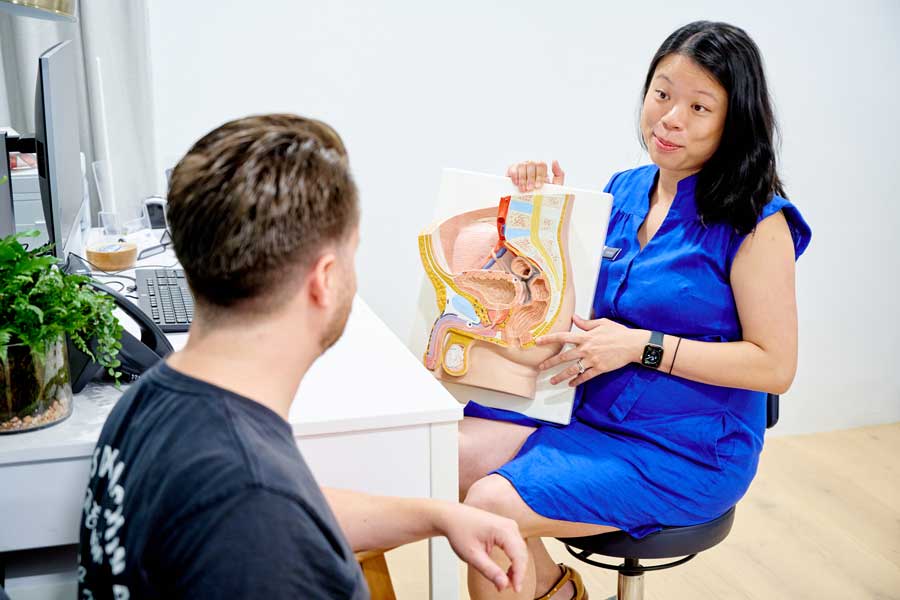
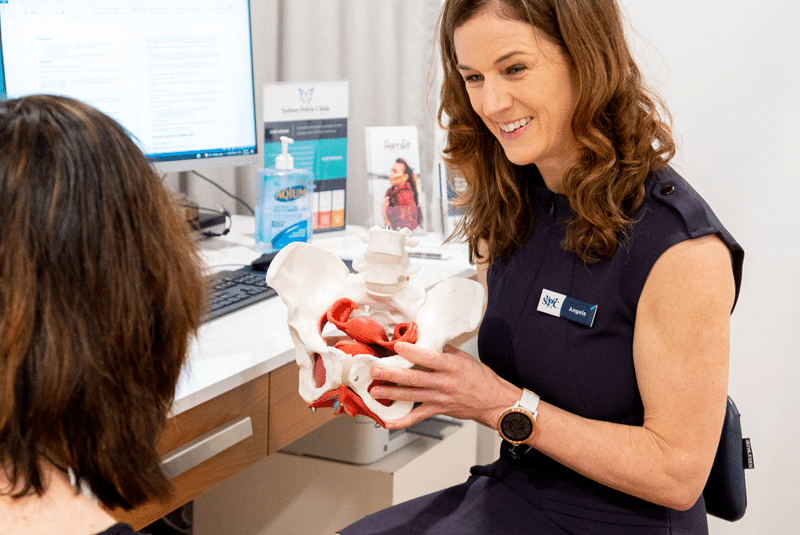
The pelvic floor muscles have three different positions: contraction (or squeeze and lift); relaxation and a lengthening. Each of these positions is important for different reasons. The contraction phase allows us to better support our pelvic organs and maintain our continence at times of higher intra-abdominal pressure (e.g. a big sneeze or cough), while the relaxation phase is the position the muscles are in when we are not thinking about our pelvic floor, or the position it returns to following a contraction. The lengthening is the opposite movement of a contraction, with the muscles stretching past their relaxation point and creating more space. This lengthening phase is important for allowing us to empty our bowels properly and for vaginal delivery.
Role of the Pelvic Floor During Pregnancy
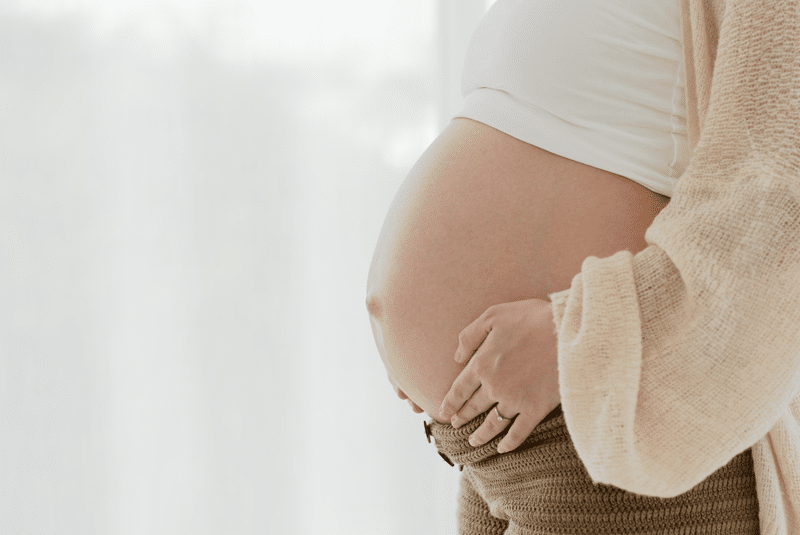
For many women, pregnancy may be the first time the pelvic floor muscles are more challenged. Women are susceptible to symptoms of urinary incontinence during pregnancy, with up to 40% of women experiencing leakage of urine (Moossdorff-Steinhauser et al., 2021). This is due to a combination of factors including hormonal changes, mechanical pressure from the growing baby and can even arise from constipation or vomiting which are very common in first trimester, but can lead to weakened pelvic floor muscles.
The good news is, with an individualised plan from a pelvic floor physiotherapist, women can improve their symptoms during pregnancy and reduce their risk of incontinence post-partum by up to 30% (Pires et al., 2020)!
Preparing for Birth
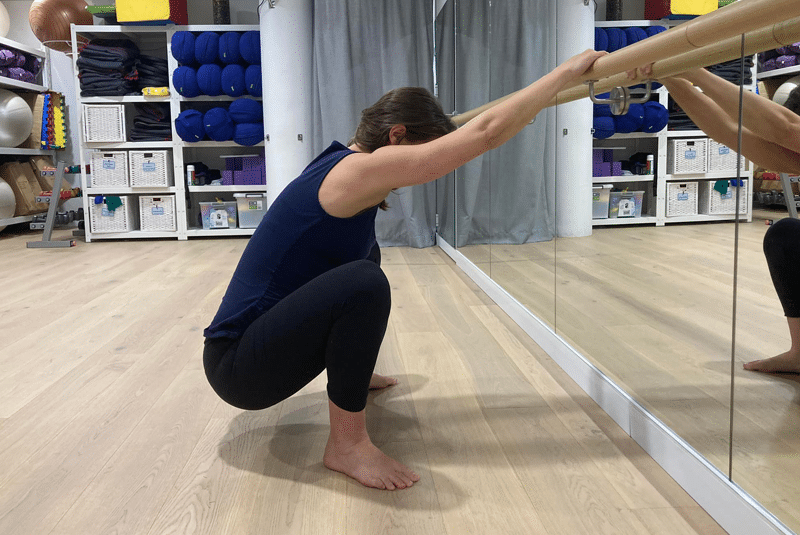
In the last 4-6 weeks of pregnancy, women can begin more specifically preparing their bodies for birth. During this time point of the pregnancy, oestrogen levels surge, resulting in extra stretchiness to the connective tissue- this is an amazing process that helps our body have capacity to birth vaginally! During vaginal delivery, the pelvic floor muscles and connective tissue need to stretch to over 3 times their usual length to allow the baby to pass through the vaginal canal. Furthermore, the role of the pelvic floor muscles is not to ‘push ’the baby out but more to lengthen and ‘get out of the way’ to allow the uterine contractions to push the baby out with the pelvic floor lengthening and stretching around it.
Research shows that around 1 in 5 women when asked to ‘push’ or lengthen, actually contract their muscles instead. This action is known as ‘paradoxical’, in that the muscles are doing the opposite of what you think they are. This could be due to poor co-ordination, tension through the muscles or long-standing bowel dysfunction. Studies have shown that this paradoxical contraction can lead to a prolonged second stage labour (Youssef et al 2019), which is linked to higher rates of severe perineal tears, pain and intervention. Your ability to lengthen your pelvic floor muscles when ‘pushing’ is able to be assessed by our pelvic physiotherapists and it is able to be retrained before the birth!

Perineal tears are often a big concern for women aiming for vaginal delivery and as part of preparing for birth, we highly recommend women commence perineal massage around 34-36 weeks. Perineal massage involves gently stretching the opening or superficial muscles around the vagina. Research supports its benefits with reducing risk of 3rd or 4th degree anal sphincter tears by >60%; reducing need for episiotomy; reducing perineal pain post-partum and improved scar healing (Abdelhakin et al 2020). Perineal massage can also help with the mental preparation for vaginal delivery, particularly for women who would like to avoid pain relief. Perineal massage is not particularly comfortable initially but the goal is to learn to relax your pelvic floor muscles around it, which is an important skill for birth!
How can our BBB program at SPC help you thrive during pregnancy?
- Bump Assessments: We recommend every pregnant woman have a pelvic floor assessment, ideally in second trimester of pregnancy. This allows you to learn how to contract and relax your pelvic floor muscle appropriately and get a program specific for you!
- Birth prep: During our birth prep assessments the physio will assess your pushing technique and teach you how to perform perineal massage. Our physios will also provide other individualised advice depending on your birth preference and individual risk factors.
- Pregnancy Classes: We have a range of group and semi-private classes available for women during all phases of pregnancy that integrate the pelvic floor muscles, as well as ensuring optimal strength and mobility!
- Birth Skills Workshop: We run a 2-hour Physio-led Birth Skills Workshop that allows you to practise the skills for an active birth. This includes positions for first/ second stage labour; non-pharmacological pain management strategies; TENS set up and early post-partum recovery. This complements other birth courses brilliantly as you get the chance to practise the skills you’ve been taught!
For more information see our other articles: