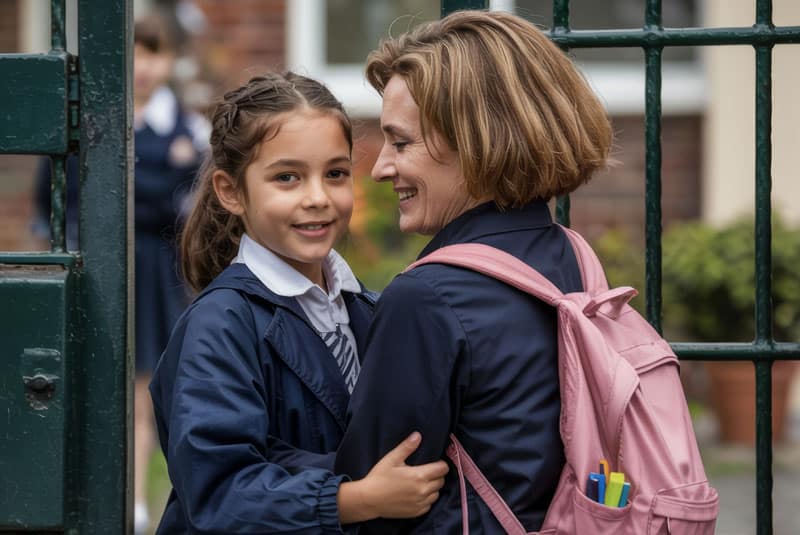
As children return to school, many families notice changes in bladder and bowel habits. After-school urgency, accidents, constipation, or children holding on all day are common concerns and often appear once school routines resume.
Busy classrooms, unfamiliar toilets, and hesitation about asking to go can all affect how children respond to their body’s signals. The good news is that healthy toilet habits are highly teachable. With simple routines at home and supportive collaboration with teachers, children can build confidence and continence throughout the school year.
Why School Can Disrupt Toileting Habits
At school, children are focused on learning, play, and social connection. Many delay using the toilet because they don’t want to miss out, feel embarrassed asking, or dislike unfamiliar school bathrooms.
Regularly holding on places extra strain on the bladder and bowels. Over time, this can contribute to daytime wetting, urgency, constipation and faecal incontinence, recurrent urinary tract infections, or reduced awareness of the body’s need to go. These challenges are common and are rarely behavioural; they are usually linked to disrupted routines and unmet physical needs.
How Parents Can Support Healthy Toilet Habits
Parents play a key role in building consistent routines outside of school hours. Encouraging children to use the toilet first thing in the morning, after school, and before bed helps reinforce regular emptying.
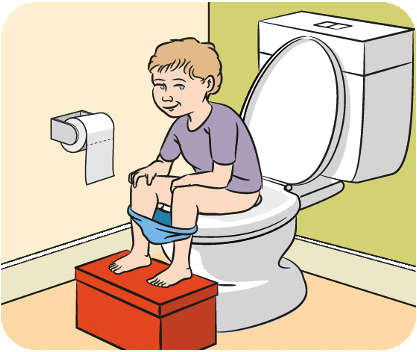
For bowel health, sitting on the toilet after meals—particularly after breakfast or dinner—supports the body’s natural digestive reflex. Children should feel unhurried, relaxed, and well supported, with feet resting on a stool if needed.
Hydration is equally important. Regular water intake throughout the day supports bladder health and helps prevent constipation, even if it means more frequent toilet visits initially.
Partnering With Teachers: Why Collaboration Matters
Open communication between parents and teachers can make a significant difference. Teachers are often very willing to support toileting needs when they understand a child’s routine or challenges.
Helpful strategies include:
- Letting teachers know if your child benefits from regular toilet reminders
- Reassuring children that it’s okay to ask to use the toilet when needed
- Encouraging access to toilets outside of scheduled breaks where possible
A consistent message from both home and school helps children feel safe listening to their body signals rather than holding on.
Creating a Positive, Pressure-Free Approach
Children thrive when toileting is discussed calmly and without shame. Avoiding punishment, pressure, or excessive focus on accidents helps reduce anxiety and improves long-term outcomes.
Praise effort rather than results, normalise mistakes, and remind children that learning healthy habits takes time. Confidence grows when children feel supported rather than monitored.
When to Seek Extra Support
If toileting issues persist for several weeks, cause distress, or interfere with school participation, paediatric pelvic health physiotherapy can help.
- A pelvic physiotherapy consult to support children with bladder and bowel problems may include:
- Assessment of bladder and bowel habits, routines, and toileting patterns in a child-friendly, age-appropriate way
- Supporting children to fully empty their bladder and bowels through relaxed, efficient toileting techniques
- Teaching optimal toilet posture, including the use of footstools and positioning to support easier bowel movements
- Improving awareness of body cues so children can recognise when they need to go, rather than holding on
- Introducing breathing and relaxation strategies to reduce tension, anxiety, or holding behaviours
- Helping improve coordination of the pelvic floor muscles for effective bladder and bowel control (related article)
Providing practical education and reassurance for parents about what is normal and how to support routines at home
Conclusion
Healthy toilet habits are an essential part of children’s wellbeing and school readiness. When parents and teachers work together, children are better supported to recognise body cues, maintain routines, and feel confident at school.
Early guidance and collaboration can prevent small challenges from becoming long-term concerns.
For further reading on paediatric pelvic issues, check out: