
Prolapse symptoms often fluctuate from day to day — and that doesn’t mean your prolapse is getting worse. Learn why symptoms vary and what you can do about it.
The Impact of Overactive Pelvic Floor Muscle & How to Relax the Pelvic Floor Muscle
An overactive pelvic floor can lead to pain, bladder issues, and sexual dysfunction. Discover why these muscles become too tight and learn simple at-home exercises to help them relax.

The Surprising Link Between Your Hips and Bladder Health
Pelvic physio explains the surprising link between hip strength and bladder control — and how targeted exercises can support pelvic floor and bladder health.
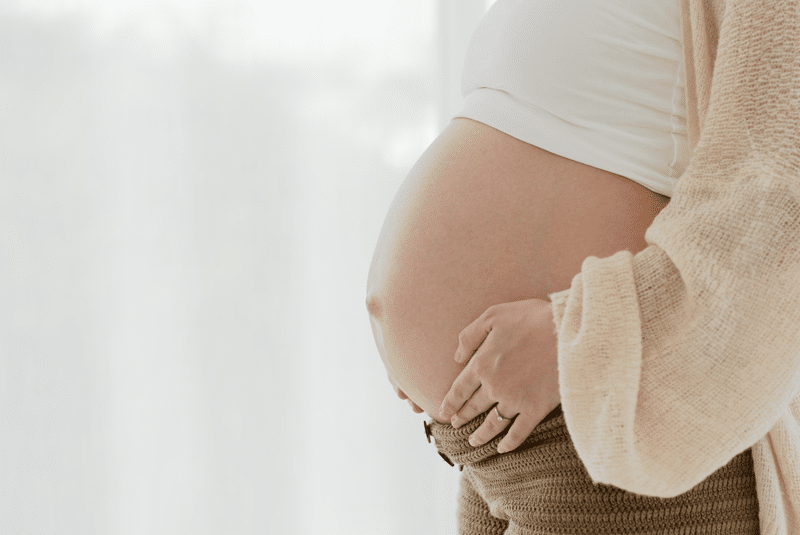
Preparing for Birth and Beyond
Preparing the pelvic floor for pregnancy and birth goes beyond simply strengthening the muscles. In this article, we look at the role of the pelvic floor during pregnancy, preparing for birth, and how our BBB program can help you to thrive during pregnancy.

femfit®: How to Incorporate Pelvic Floor Exercises into Your Daily Life
Image Source Between having a job, dealing with kids, and all the other ways we spend our days, it can be hard to find an opportunity to get your pelvic…

How to Differentiate Exercise for an Underactive vs. Overactive Pelvic Floor
Did you know that pelvic floor muscle dysfunction could be a result of either an underactive pelvic floor, or an overactive pelvic floor? The treatment for your specific pelvic muscle…

Why “Core” Exercises Don’t Exercise Your Core (And What You Can Do About It)
In this video, Principal Physiotherapist Angela James teams up with Karen O’Connor of the Menopause, Marriage & Motherhood podcast, to discuss the topic, Why Core Exercises Don’t Exercise Your Core,…

Menopause and Pelvic Floor Health
Most Australian women experience menopause between the ages of 45-55 years, with an average age of approximately 51. Menopause comes with a myriad of symptoms such as hot flushes, night…

Return to Running Postnatally
Running is an incredibly popular form of exercise across all ages, genders and abilities. It is a free, cardiovascular, strength-focused exercise that offers headspace to the individual. We have seen…